The marketing world is almost always churning out groan-worthy tactics and bad social media campaigns, and 2025 is no different. From AI-generated memes to greenwashing, there have already been a ton of annoying marketing stunts on display for all to see.
As a business, figuring out what works and what doesn’t can be tough. Make those decisions easier with this expert Coalition Technologies guide and build your audience with honest, down-to-earth strategies that never miss the mark.
Table of Contents
- 1 The Rundown
- 2 Bad Marketing Strategies To Avoid
- 2.1 Overly Personalized Ads
- 2.2 Fake AI-Generated Content
- 2.3 Overusing Interruptive TikTok-Style Short Videos
- 2.4 ‘Engagement Hacks’ and Poll-Driven Content
- 2.5 Too Much Influencer ‘Authenticity’
- 2.6 AI-Driven ‘Revolutionary’ Consumer Experiences
- 2.7 Hyper-Complicated Loyalty Programs
- 2.8 Trying to Capitalize on Social Issues Without Committing
- 2.9 Endless Subscription Services
- 2.10 The Rise of AI-Generated “Pop Culture Moments”
- 3 Discover The Right Way To Grow Your Business
- 4 Frequently Asked Questions
The Rundown
This Coalition Technologies guide covers the following:
- The most obnoxious marketing strategies of 2025 include:
- Overly personalized ads that demolish user trust.
- Relying on inauthentic AI-generated advertising assets that drive away buyers.
- Using TikTok-style videos where they don’t fit.
- Clickbait content’s negative impact on your brand perception.
- Insincere influencer marketing that pushes being “authentic” too hard.
- Experiential marketing as a better alternative to AI-driven experiences.
- Complex loyalty programs that confuse and annoy customers rather than reward them.
- The dangers of not committing to social issues in your messaging.
- Expensive and exhaustive subscription services that turn users away.
- Staged content that polarizes your audience.
- Real-world examples of bad campaigns include Coca-Cola’s 2024 Christmas ad, Target’s privacy overreach, and Best Buy’s old and ineffective rewards program.
Bad Marketing Strategies To Avoid
Overly Personalized Ads
Too much of a good thing is a very real problem. Personalization is great for marketing, and we usually recommend it! A message that goes the extra mile to understand what the reader is looking for and serves their needs with personalized content, like a custom discount code, is usually a good move.
But not always.
When taken too far, personalization can become an obstacle rather than a tool. Hyper-personalized emails and social media outreach can feel invasive or even creepy.
For instance:
- Sexual wellness products that target your family home IP address for email marketing.
- An ad that suggests you may be depressed because you looked up nearby therapists recently.
- Discussing an intimate subject with a friend, only to get related ads on your phone the next day.
Target’s 2012 pregnancy debacle is probably the most popular real-life example of this in action. The brand analyzed a shopper’s historical data (like lotions and vitamins) to determine that she might be pregnant and sent her baby product coupons before she had told her family. Customers were infuriated by the brand’s overreach and complete disregard for privacy.
Fake AI-Generated Content
This bad marketing strategy can severely harm your reputation if followed blindly. Around 50% of consumers say brands using AI-generated content to create images or ambassadors for advertising makes them uncomfortable, and it’s easy to see why. AI-generated text, photos, and videos are becoming more sophisticated, but buyers are also getting better at telling the real from the fake.
Bad social media campaigns often rely heavily on generative content for assets, and they end up harming customer trust rather than building it. This content usually feels hollow and lacks any authenticity.
- Coca-Cola’s 2024 Christmas campaign (shown below) followed this bad marketing strategy to recreate its iconic ‘Holidays Are Coming’ campaign. The usage of AI for this campaign caused a massive backlash online due to the uncanny visuals and the ‘artificial sheen’ covering the whole ad. Critics were quick to point out that the ad went directly against the nostalgic visuals evoked by the company’s older campaigns.
- Another notable offender was Toys “R” Us in 2023. The company used AI to generate a young version of founder Charles Lazarus, only to create an ad that featured inconsistent visuals that seemed eerie rather than heartfelt. Longtime fans of the brand felt the company had gone against its core values with a hollow ad campaign.
- If they had instead chosen to create a painstaking tribute to the founder, they could have capitalized on the nostalgia for an iconic brand.
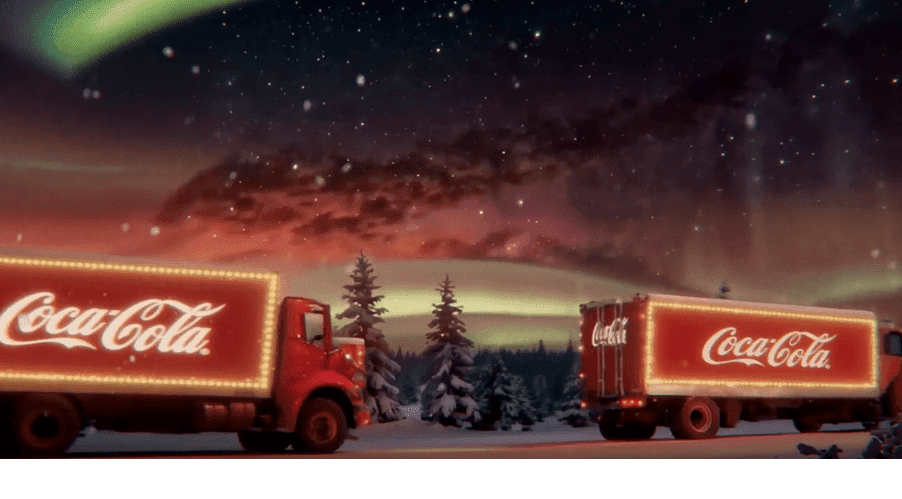
Coca-Cola’s controversial AI-generated Christmas ad
Overusing Interruptive TikTok-Style Short Videos
Video is an unparalleled way to boost engagement through social media marketing, but it also has a dark side. This bad marketing strategy owes its existence mainly to TikTok’s influence, pushing short-form content everywhere. This strategy involves:
- Constant disruption through fast cuts, loud sounds, and attention-grabbing gimmicks, like quick zooms. Taco Bell used these techniques for their Nacho Fries Hype campaign across TikTok and other platforms, featuring repetitive smash cuts and audio that feels out-of-place today. Consumers thought the ad was obnoxious and hard to watch after the first viewing.
- A lack of substance, as brands choose to sacrifice meaningful storytelling for flashy, forgettable content.
- A misalignment with brand identity if the company posts this content for the wrong audience, like an older demographic on Facebook.
- An engagement drop-off, as the original audience grows tired of the bad marketing strategies and mutes or unfollows permanently.
It’s also worth mentioning that the best way to avoid this annoying marketing trap is to simply use what the platform offers. Social media platforms are trying out longer forms of content, with Instagram allowing reels up to 3 minutes and TikTok allowing videos up to 10 minutes long.
Viewers are getting tired of seeing the same type of content over and over. Feel free to experiment with new content formats that align better with your audience.
‘Engagement Hacks’ and Poll-Driven Content
Buzzfeed-style content and clickbait tactics are well-known to be bad marketing strategies. Think of content like ‘Pick your favorite color to reveal your personality’ or a poll asking for likes and comments.
These are low-effort tactics designed to artificially boost engagement metrics with no real benefit on long-term growth. The idea is to game social media algorithms by prompting users to act predictably (liking and sharing) without offering any real value. This Wendy’s poll is a good example of engagement bait without offering anything in exchange, like a coupon code for a Korean BBQ cheeseburger.
This form of clickbait content creates bad social media campaigns, because it can appear more like a gimmick than an authentic interaction. It’s essentially trading in short-term traffic for a long-term loss in trust.
Too Much Influencer ‘Authenticity’
Influencer marketing has reached a critical stage where everyone’s trying to push an ‘authentic’ image, which only has the opposite effect. When influencers overplay the authenticity card, it can feel insincere and cast a pall over future brand collaborations. You can’t constantly push ‘real and raw’ content without eventually losing its appeal.
Ashton Hall’s recent morning routine video is a great example of authentic influencer ‘hustle-core’ veering into a bad marketing strategy. Hall’s spin on the ‘grind-core’ trend involved a minute-by-minute daily routine that accidentally bordered on funny rather than inspiring, becoming a caricature of itself. The video may have gone viral, but it likely failed to help the influencer sell his courses.
AI-Driven ‘Revolutionary’ Consumer Experiences
Bad marketing strategies and an over-reliance on AI-driven tech seem to go hand-in-hand in 2025. Many brands promise ‘futuristic’ products powered by AI tech that knows everything about you. Most of the time, it is over-promised with clunky or boring experiences that disappoint customers.
Instead of those bad social media campaigns, look towards experiential marketing as a guide. The key is cultivating meaningful experiences through in-person events that people want to share virtually. This is also known as ‘live marketing,’ a strategy that allows potential buyers to interact directly with the brand instead of through a digital media middle-man. Instead of passively consuming media, this strategy invites the buyer in. Key elements include:
- Emotional Immersion: To include the buyer and engage them emotionally in a brand experience (like a pop-up VR stall.)
- Interaction: Provide participants opportunities to engage with your products hands-on. Tech companies do this at events like CES by allowing attendees to use prototypes.
- Storytelling: Experiential marketing seeks to create a meaningful narrative over the short-term gratification you might see on social media. This shows potential buyers why you’re there and how exactly your products can make a difference.
For more recent examples, think of Google’s ‘Curiosity Rooms’ in London or Netflix’s ‘Upside Down Immersion’ for Stranger Things.
Hyper-Complicated Loyalty Programs
Complicated loyalty programs can become bad marketing strategies if they’re too hard for the average consumer to understand. This includes:
- Multi-tiered point systems with vague rewards
- Bonus multiplier days
- An unnecessarily large number of levels and rewards
The old Best Buy Rewards Zone was notorious for its overly complex loyalty program, with a system split into multiple certificates based on customer spending and points that expired incredibly quickly. Redeeming these points also required logging into a separate portal.
Trying to Capitalize on Social Issues Without Committing
Inauthenticity is the root of so many recent bad social media campaigns. Social issues and sustainability have taken center stage, and it’s natural for brands to want to align with these movements.
However, only paying lip service to genuinely essential causes is a bad marketing strategy that most customers will pick up on. Greenwashing is an excellent example here. This annoying marketing practice involves highlighting a brand as ‘eco-friendly’ even if it hasn’t made any real commitments to sustainability.
H&M’s ‘Conscious Collection’ ads immediately come to mind. These advertisements tried to position the brand as a leader in sustainability with taglines like ‘Wear The Change.’ However, this only prompted critics to highlight H&M’s practices of dumping clothes into landfills and using only a minor percentage of recycled materials in their products.
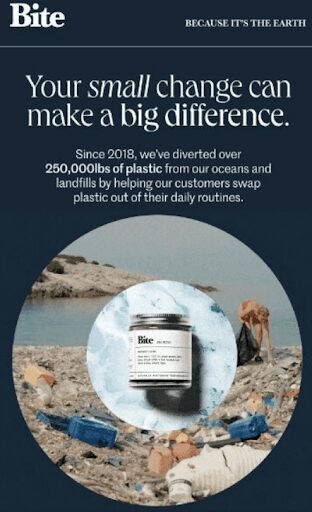
Looking for examples of eco-friendly marketing done right? Check out our deep dive into Earth Day email marketing for the best emails of the year with top brands like Rivian and Bite.
Endless Subscription Services
The subscription box model has exploded, and in 2025, we will see even more brands ditch the one-time license and move to a subscription structure. This includes everything from clothes and food to beauty products. You might have seen ads for these subscriptions already:
- John Deere’s ‘Precision Essentials Program’ and software subscriptions.
- Gibson’s guitar learning app with monthly and yearly subscriptions.
- everydrop®’s water filter subscription program.
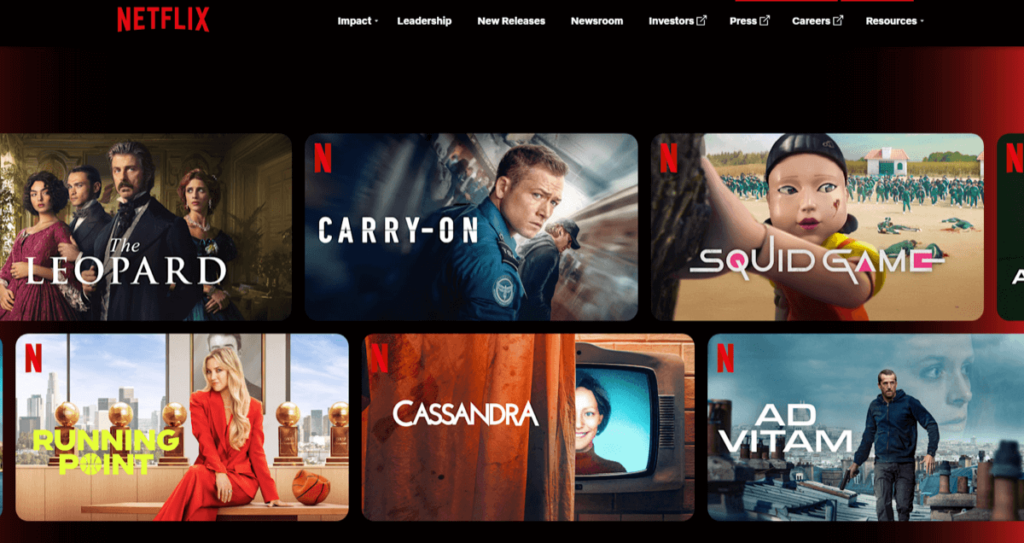
Leaning into this trend could be a bad marketing strategy, considering that more consumers are growing tired of subscription models. Keeping track of many subscriptions is exhausting (and expensive!).
We’re already seeing this happen with streaming services, with more subscribers voicing a preference for a more traditional, all-inclusive alternative, like cable.
The Rise of AI-Generated “Pop Culture Moments”
The bad social media campaigns generated by the ‘Ghibli trend’ made one fact extremely clear: using AI to create fake viral memes and moments to push products just feels incredibly inauthentic. Burger King’s ‘Whopper Forest’ is a recent example of this, with the brand trying to capitalize on the controversial Studio Ghibli AI trend. Buyers will immediately notice you’re only chasing a trend instead of trying to make something original; it feels lazy and staged.
Staged Instagram reels fall into the same category. We’ve all seen a street interview or a random recording where something ‘viral’ suddenly happens, such as a disagreement in a public place where one person comes out on top with a dramatic statement over a social issue.
Staging content is almost always a bad marketing strategy. You might attract a larger audience to that one specific social media post, but you’ll end up polarizing your entire target audience and alienating the half that doesn’t necessarily agree.
Discover The Right Way To Grow Your Business
Parsing through effective and annoying marketing trends and bad social media campaigns isn’t easy if you’re also focused on running a business. There’s no better way to cut through the noise than to work with a leading digital marketing agency that doesn’t just follow trends but creates them. Find out what Coalition Technologies can do for your business today with a free consultation. Contact us to get started.
Frequently Asked Questions
What are some bad marketing strategies I should avoid?
Generally, you should try to steer clear of AI-generated content if it feels inauthentic and lazy, creating strategies with value rather than chasing controversial trends. A personalized email, for example, will almost always have a better impact than a generic one.
How can I figure out which marketing strategies are worth following?
You can use data to forecast worthwhile trends and strategies you can follow if they feel valuable to your specific brand and industry. However, it can feel like guessing if you don’t have a dedicated team of reliable digital marketing experts, like Coalition Technologies, to best identify great strategies to build around your business.
Can bad marketing strategies harm my business?
Yes, following a marketing strategy incompatible with your business or your goals can have several harmful effects. In some cases, you could see a downturn in social media engagement or even a long-term loss in customer trust, which could lead to a loss in revenue.