The Rundown
- Understanding and leveraging the psychology of impulse buying can significantly boost ecommerce sales.
- In 2024, 89% of Americans admitted to impulse buying, with 36% saying most of their purchases were unplanned.
- Impulse buys are driven by emotion, triggered by the desire for immediate satisfaction, and reinforced by the brain’s reward system.
- Prominently display special deals and time-limited discounts to encourage quick decisions.
- Use countdown timers, low inventory alerts, and “last chance” banners to create urgency and FOMO.
- Suggest related or complementary products at key moments to increase cart value.
- Streamline checkout, offer fast shipping or instant access, and reduce barriers to purchase.
- Enhance the online shopping experience with engaging visuals, animations, sounds, and appealing site design.
- Automated emails (like abandoned cart reminders), retargeting ads, and social media can reengage potential buyers.
Impulse buying is more common and more powerful than many B2B business owners realize.
In 2024, according to a Capital One Shopping report, 36% of Americans indicated that the majority of their purchases were unplanned1, with 89% of shoppers admitting to impulse buying. Among these shoppers, 60.7% have spent $100 or more without planning at least one time. 22.5% of them (20% of consumers in general) have spent $1,000 or more on impulse buys.
The average person now spends $281.75 on about 9 unplanned purchases each month, with each costing an average of $28.90. This adds up to $3,381 a year.
If you own a B2B or B2C ecommerce store, understanding the psychology of impulse buying is key to increasing conversions, boosting average order values, and learning how to increase ecommerce sales in a sustainable way.
Table of Contents
- 1 What is an Impulse Buy?
- 2 The Psychology of Impulse Buying Online
- 3 How to Trigger Impulse Buys
- 4 1. Deals and Discounts
- 5 2. Scarcity and FOMO
- 6 3. Smart Product Placement
- 7 4. How to Increase Ecommerce Sales Through Instant Gratification
- 8 5. Set Dressing
- 9 Beyond The Website
- 10 Tap Into Impulse Buys
- 11 References:
What is an Impulse Buy?
Impulse buys are decisions made on the spot without prior planning, but they are not to be confused with compulsive buying or all spontaneous purchases.
Compulsive buying is a behavioral disorder, a problem where someone feels an uncontrollable need to shop over and over again, regardless of external drivers. Spontaneous purchases, on the other hand, can be impulsive, but they can also involve some prior thought and consideration, even if the actual purchase happens quickly.
What sets an impulse buy apart is the reason behind it and the decision-making process. It’s usually triggered by emotions or the desire for immediate satisfaction. That’s the core of the psychology of impulse buying. It is not about a need. It’s a want, connected to some reason, that makes it seem impossible to resist.
The Psychology of Impulse Buying Online
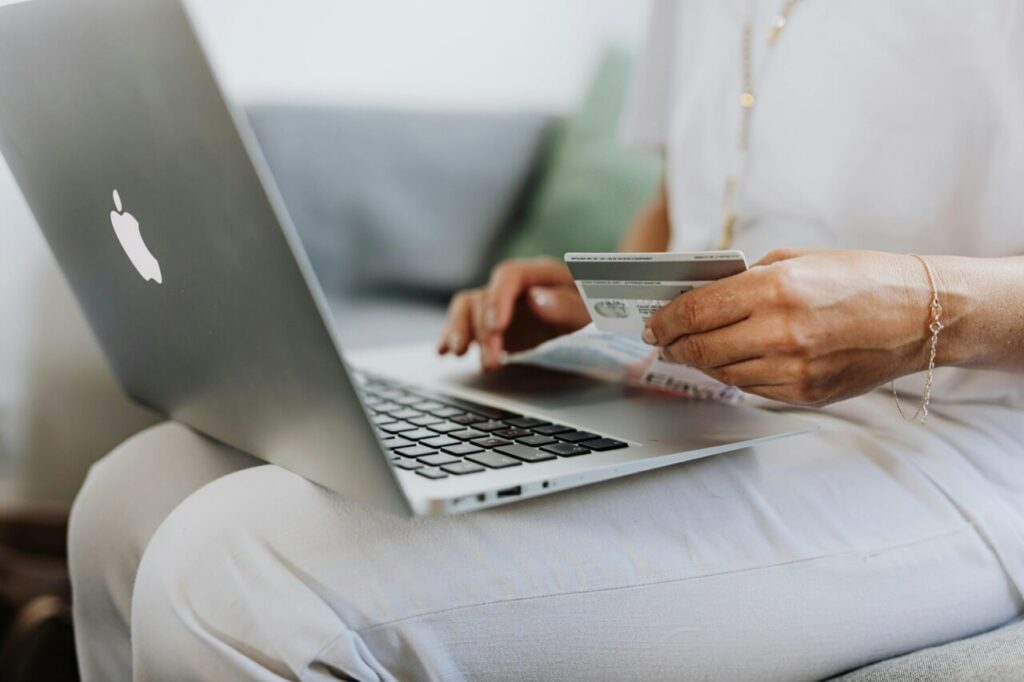
To reinforce beneficial behaviors, the human brain releases a chemical called dopamine, making people feel good about things. That is called a reward system, which is central to how we learn, form habits, and stay motivated, and also what impulse buying taps into.
Whenever buying something makes you happy or excited, that’s the dopamine attaching that purchase to a reward, reinforcing that buying something leads to positive feelings, making you more likely to do it again in the future, creating a loop.
A well-built B2C ecommerce site can nudge users towards that reward loop. The easier the purchase, the more the brain associates shopping with quick gratification, which is what the psychology of impulse buying is built on. This foundation is what fuels effective impulse buying marketing.
Frequently Asked Questions
What types of products benefit most from impulse buying strategies?
The psychology of impulse buying is especially powerful for products that spark an emotion. Imagine Tom and Donna from Parks and Recreation having a “Treat Yo Self” day. They’re lower-cost and often visually appealing products, like food, coffee, clothing, and beauty products.
Can impulse buying techniques backfire?
They certainly can, especially when your marketing efforts aren’t connecting with your audience. That often happens because shoppers might feel deceived by, well, deceptive marketing or annoyed by never-ending “flash sales.” Instead, use impulse buying intentionally and tactfully. When done well, these techniques clarify value, which is key to learning how to increase ecommerce sales.
Is impulse buying only relevant for B2C ecommerce?
No way. The psychology of impulse buying plays a role in the B2B world. After all, there are always people who are a company’s decision makers. Things like limited-time service packages or seasonal discounts can create the same urgency. Impulse buying marketing, even for low-barrier products or add-ons, can help nudge B2B decision-makers faster than you’d think.
How to Trigger Impulse Buys
Impulse purchases can be predictable, measurable, and repeatable.
In physical retail, entire teams are dedicated to optimizing for it. Sweet treats strategically placed near the checkouts and offers advertised near high-traffic areas of stores are not coincidences. Even lighting, smells, music, and other aspects you wouldn’t expect can play a role.
Online stores can do the same thing and increase their ecommerce sales in the process.
Here are five strategies we’ve seen work across DTC and B2B ecommerce:
1. Deals and Discounts
Let’s start with the obvious one. In the psychology of impulse buying, special offers and time-limited discounts are some of the most effective emotional triggers.
When shoppers see a slashed price or something like a “buy one, get one free” deal, it makes the purchase feel more valuable. Not only that, it makes them feel like the rational decision is to buy to make the most out of their investment. And it doesn’t have to be a massive price cut. Even small discounts can tip the scales for someone who’s on the fence.
However, it is essential to prominently display these deals on your homepage, product pages, and during the checkout process so that people are aware of their availability.
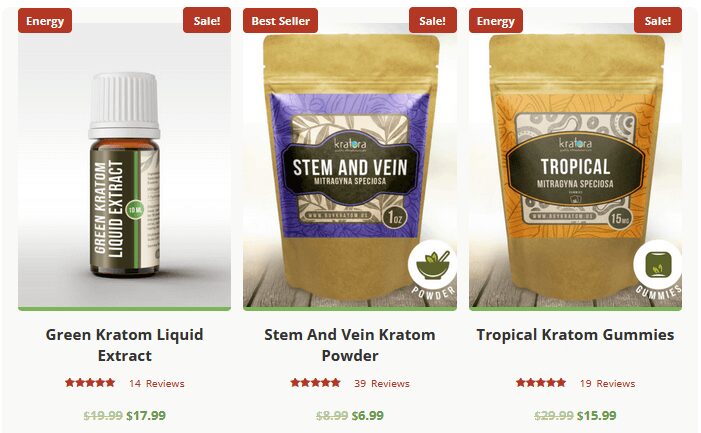
What it does: In the example image above, Kratora uses slash pricing to show before and after costs as one of its impulse buying marketing strategies. Slash pricing visually highlights savings, creating that rush of satisfaction most people feel when they get a good deal on something.
What you should do:
- Display original and sale prices whenever possible
- Show slashed prices in prominent locations (homepage, banners, product pages, cart, etc.)
- Align your discounts with real data to ensure they’re meaningful and enticing.
2. Scarcity and FOMO
No discussion about how to increase ecommerce sales through impulse buying marketing is complete without mentioning FOMO. When customers believe a product might sell out soon, they’re more likely to make a snap decision. We call that FOMO, or “fear of missing out.”
This urgency plays directly into the psychology of impulse buying. It’s when scarcity is perceived and the emotional side of a shopper’s brain takes the driver’s seat.
There are many ways to tap into that. Countdown timers for deals, low inventory alerts, “last chance” banners, and showing how many people are viewing or have recently purchased an item all reinforce the idea that hesitation could mean losing out.
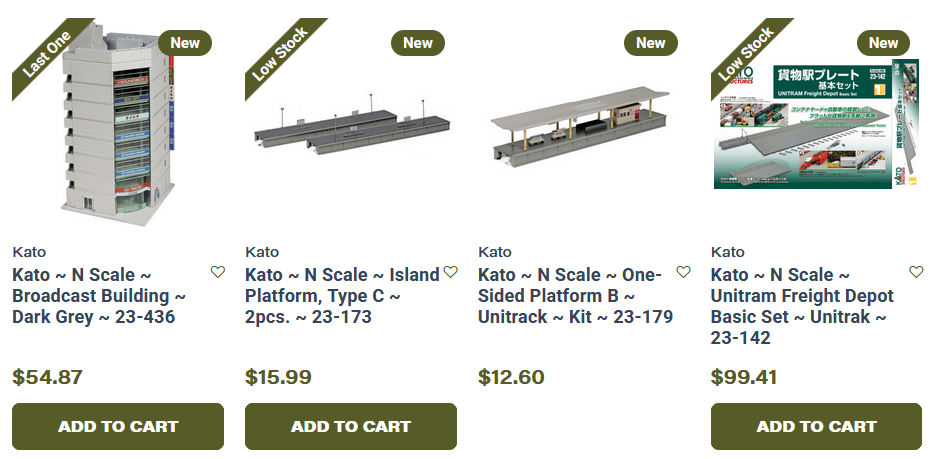
What it does: Iron Planet Hobbies2 overlays “Last One” and “Low Stock” tags on products in short supply to tap into your fear of missing out on what sells.
What you should do:
- Tag products with appropriate alerts like “Selling Fast” or “Only X Left!”
- Add countdown timers to drive urgency as sales wrap up
3. Smart Product Placement
Deliberately placing related or complementary products, with “Customers Also Bought” or “Frequently Bought Together” sections, encourages shoppers to keep adding more items to their cart, increasing average order value.
The key is to make sure that these suggestions make sense and show up at the right time. That way, they feel like a helpful part of the shopping experience rather than being pushed to buy.
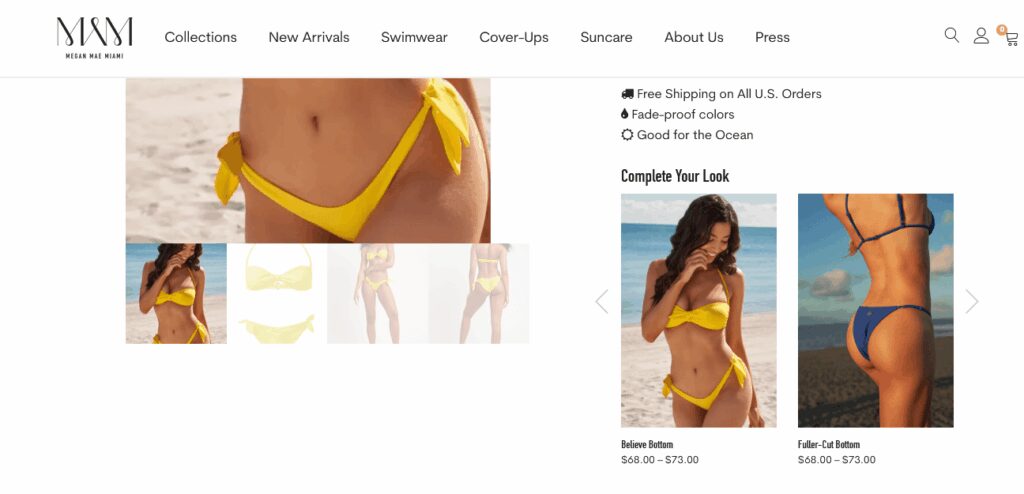
What it does: A well-timed (and conveniently placed) product recommendation can turn a single-item shopper into someone checking out with a multiple-item cart. Megan Mae Miami3 uses a “Complete Your Look” carousel that finds matching tops, bottoms, and accessories.
What you should do:
- Identify natural product bundles
- Measure how recommended products perform
Ready to stop leaving impulse revenue on the table?
4. How to Increase Ecommerce Sales Through Instant Gratification
Shopping should feel rewarding. However, boring and lengthy checkout processes tend to feel more like a chore, giving buyers more chances to change their minds. Solve this problem by tapping into the psychology of impulse buying.
Because of that, online checkouts need to remove as many natural speed bumps as possible. Saved cards, autofill, no “create an account” wall, and fast load times are all things that make the buying experience faster and more seamless.
Offering fast shipping (or instant access in the case of digital products and services) is another way to offer instant gratification, as the promise of quick fulfillment (like “Get it by tomorrow”) makes the reward feel more tangible and immediate.
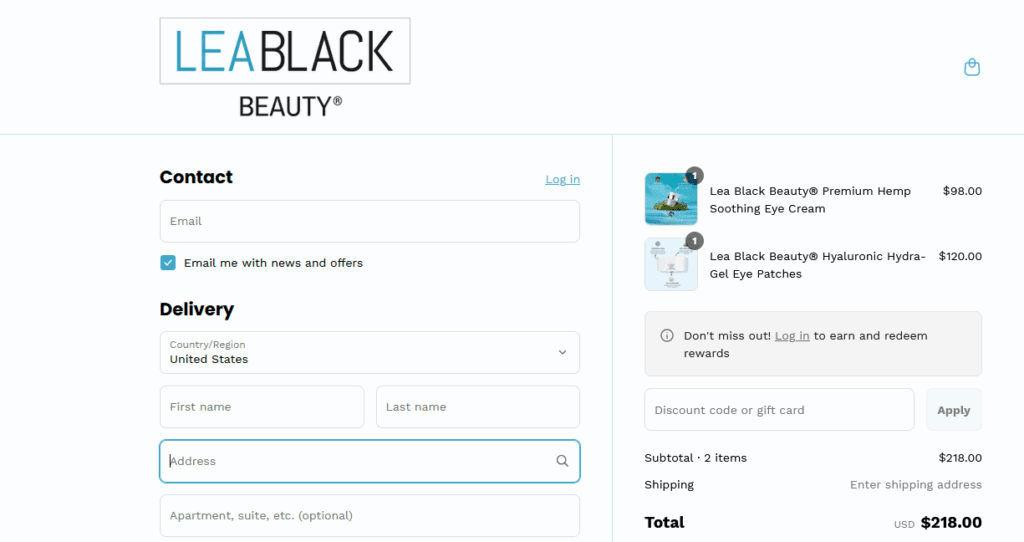
What it does: Lea Black Beauty uses a clean, one-page checkout with an auto-complete option for the address field. This simple inclusion helps decrease checkout time dramatically.
What you should do:
- Eliminate any unnecessary form fields.
- Unless it’s invisible or reCAPTCHA v3, ditch captchas.
- Don’t force shoppers to create accounts. Use a guest checkout option.
5. Set Dressing
Sadly, online stores can’t replicate all the sensory cues that push those who are shopping in person. But they can still use visuals, animations, and even sound to create an engaging atmosphere.
Even simple things, like a button animation or a satisfying “click” sound when you add something to your cart, can go a long way in making the experience more immersive and stimulating. As long as this aspect of impulse buying psychology doesn’t mean compromising on things like load speed, accessibility, and responsiveness, or else it backfires.
Besides that, a visually-appealing website is simply nicer to spend time on, just like a well-decorated retail store. Good branding, high-quality product images, interactive product demos, and a dynamic user interface can all spark excitement about the purchase.
When the experience feels fun or premium, it invites shoppers to linger and maybe splurge. These moments are where smart impulse buying marketing can thrive.
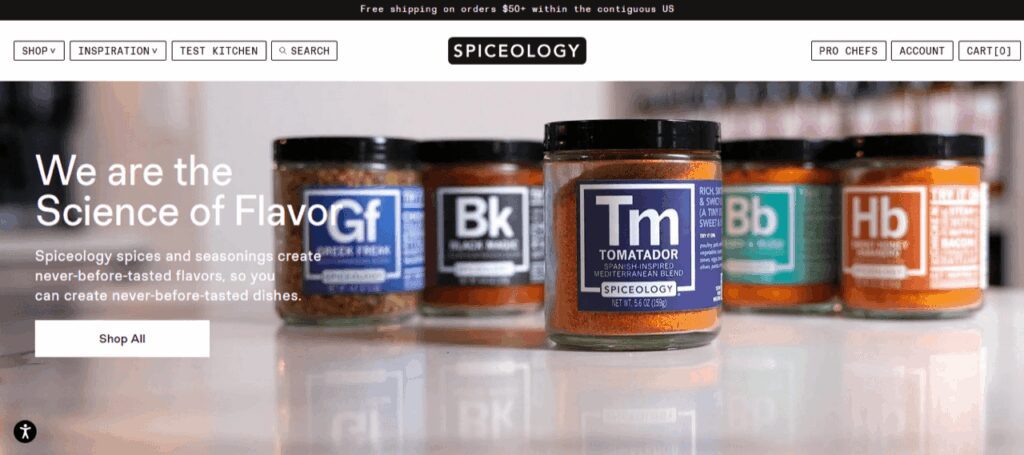
What it does: Spiceology’s high-end product photography paired with bold colors and a fun, varied product line makes shopping for spices online a visually pleasing experience. Smooth hover effects create an immersive shopping environment.
What you should do:
- Think of homepages and product pages like digital store shelves. Offer a display that is visually engaging and tidy.
- Add hover effects to products that feel smooth, providing shoppers with more information without requiring them to click away.
Beyond The Website
Impulse buys are possible even when buyers are not browsing your site.
Automated email flows, such as abandoned cart reminders and post-purchase follow-ups, are an effective way to encourage customers to return.
Retargeting ads do a similar thing. While people are on other websites, they remind them about products they looked at and give them a reason to take another look.
Both of these channels give B2C ecommerce stores the power to reengage what could have been just one-off interactions.
Social media builds engagement and trust. It also offers another platform to showcase new products, sales, and other things that might prompt impulse purchases. When combined with on-site tactics, these off-site strategies can become powerful extensions of your impulse buying marketing plan.
Tap Into Impulse Buys
Understanding the psychology of impulse buying is smart. However, making the most of impulse buys means utilizing smarter website design, targeted marketing, and data-backed insights. Book a consultation with us to learn more.