Businesses tend to focus on arbitrary trends and random quirks when figuring out how to improve customer loyalty, and that’s the wrong direction to take. When done well, post-purchase strategies can improve conversion rates for returning customers by up to 50%, and it’s easier than you might think.
Find out where brands go wrong and how yours could take the right path to improve customer loyalty with this Coalition Technologies guide.
Table of Contents
The Rundown
- Returning customers are 24% more likely to convert than first-time visitors.
- Customers with two prior purchases see conversion rates of over 50%.
- Powerful post-purchase strategies to build loyalty include:
- Focusing on a second sale pre-shipping
- Personalized follow-ups, such as a tutorial video or product usage tips
- Simple, but rewarding loyalty programs, like H&M’s
- Hassle-free returns and exchanges
- Exclusive offers driven by personalized data
Why Focus on Post-Purchase Engagement At All?
Top-of-funnel marketing strategies (like SEO and paid ads) tend to hog the spotlight, and business owners rarely think about how post-purchase strategies drive customer loyalty.
The best way to understand that impact is to look at the numbers. Here’s what we’ve seen in our 15 years as a leading digital marketing agency.
- First-time visitors convert at ~2% (20,000 out of 1 million visitors).
- First-time visitors with prior brand exposure convert at ~6% (tripling the baseline).
- Returning customers (post-first purchase, no negative experience) convert at ~26%.
- Customers with two prior purchases convert at over 50%.
A sustained focus on post-purchase engagement can increase buyer conversion rates from 2% to over 50%. That’s a pretty strong reason to focus on customer loyalty strategies. Considering customer acquisition costs have grown by nearly 60% over the last five years, you need to make the most of your existing customer base.
Frequently Asked Questions
What is a customer loyalty strategy?
These strategies are designed to incentivize first-time buyers to repeatedly engage with your brand over time by building trust and a genuine connection. A loyalty strategy can significantly boost your customer lifetime values by turning each one into an advocate for your brand.
How do I improve customer loyalty as a small brand?
Start with the small things: set clear expectations, use affordable Shopify apps to launch loyalty programs, and show buyers you care about them and your product. Apparel brands, like Uniqlo, do this by highlighting detailed care instructions online and offline.
Why should I focus on a customer loyalty strategy instead of just getting more customers?
Customer acquisition is becoming increasingly expensive due to rising marketing costs and competition. More importantly, focusing on loyalty gives you a far better return on investment through higher AOVs and significantly increased conversion rates.
Here’s How To Improve Customer Loyalty
Your average ecommerce brand follows a simple, but ineffective template to drive post-purchases:
- An order receipt email that’s usually unoptimized (without personalized recommendations, for example)
- Regular shipping updates, or a link to a tracking website
- Post-delivery, a generic request for a review or to sign up for a newsletter. Again, this email is rarely optimized. Below is a great example of an unoptimized email that doesn’t add any value for the customer.
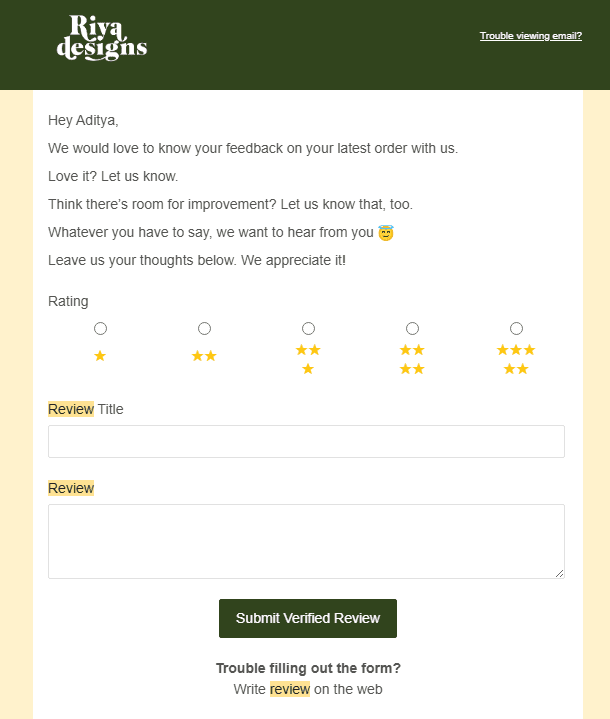
Usually, brands without a solid customer loyalty strategy will end their outreach after the review request, when they could’ve included or followed up with personalized recommendations for other items the buyer might like.
Even major brands like Amazon and Walmart don’t deviate from this strategy, which opens up an incredible opportunity for smaller ecommerce brands to distinguish themselves with more creative approaches. Let’s look at those in more detail.
Secure The Second Sale Early
Targeting a second sale before the first order has shipped/before it’s delivered should be a major target. Returning customers spend 67% more than first-time buyers, which could significantly boost revenue. Here’s what you can do:
- Upsell On The Order Confirmation Page: Many of our clients use apps to display related products on the ‘Order Confirmation’ page, customized based on the buyer’s current intent. This customer loyalty strategy works because the buyer’s purchase and shipping information has likely already been saved, and there’s less friction to stop them from buying complementary items.
- Pre-Shipping Upsell: If you’re learning how to improve customer loyalty, you need to utilize the pre-shipping stage effectively. This is an excellent opportunity to add more value for buyers by letting them know what else your brand can do for them before their order is shipped.
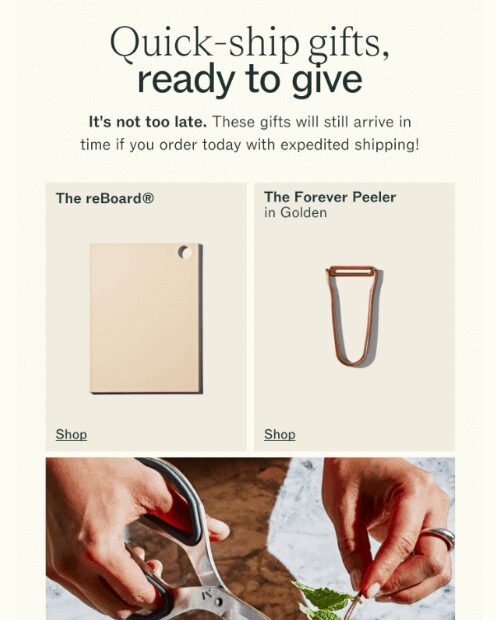
Material’s email does this by providing additional gifting recommendations for buyers and informing them that they’ll still receive their order on the same day if they order today. This customer loyalty strategy also creates a sense of urgency, which is great for driving repeat purchases.
Personalized Follow-Ups
If a brand is what matters most to your customers about your business, then highlighting your best products and how to use them is a great way to build that brand. A personalized follow-up doesn’t just have to be a product recommendation. It could also be:
- A series of tips covering the best ways to use the product they just ordered.
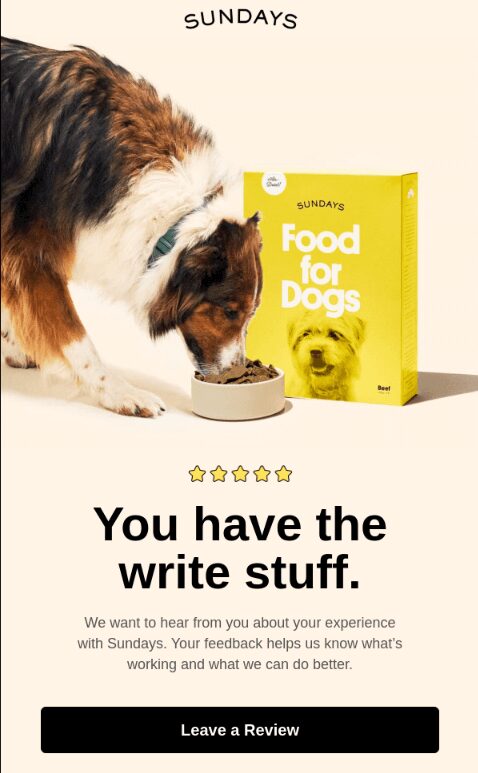
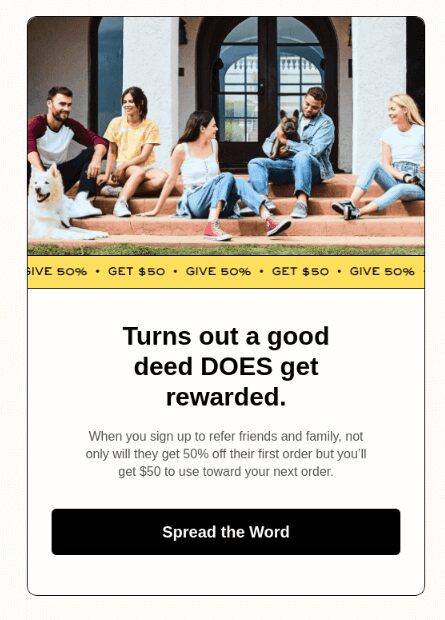
- A ‘Thank You’ note that asks for a review and also adds value. Sundays (shown below) executes this customer loyalty strategy really well by including a referral coupon for the buyer.
Compare this to the review email we showed earlier, and you’ll see that this one actually gives the reader a reason to interact with the brand again. The company also uses this opportunity to reinforce its brand identity post-purchase with creative copy and engaging visuals.
Loyalty Programs
You don’t have to know how to improve customer loyalty to know how effective loyalty programs are. In fact, these programs drive 83% of repeat purchases in certain sectors. We touched on the dangers of overly complicated loyalty programs in our deep dive into bad marketing strategies, if you’d like to know what not to do.
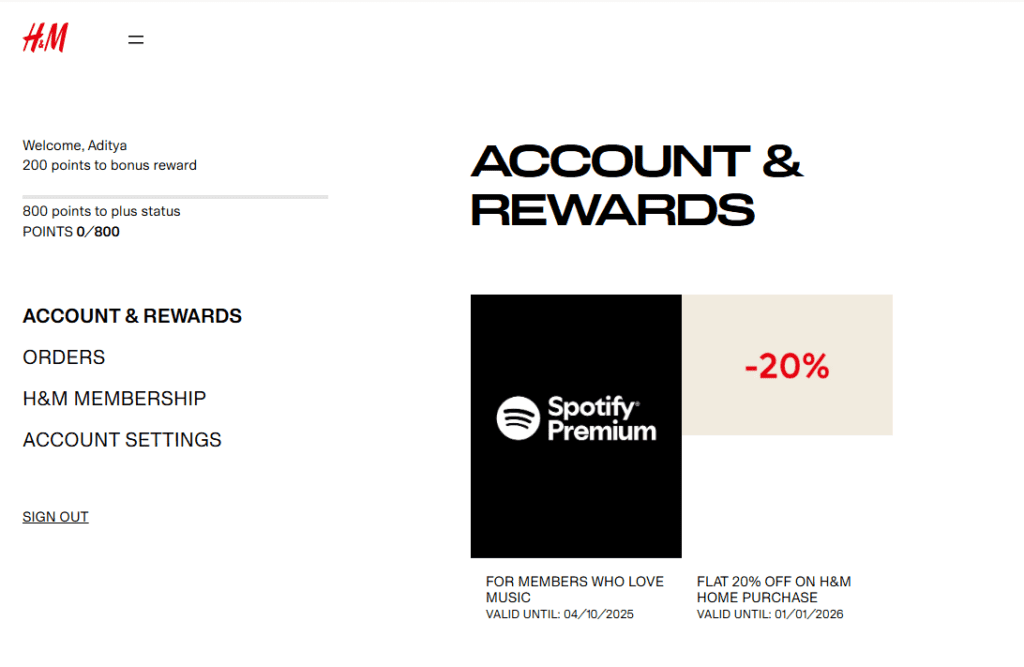
H&M is an excellent example of this customer loyalty strategy done right. H&M’s loyalty program:
- Is easy to understand and use (customers don’t even need to download the app to join it.)
- Is naturally integrated into the brand’s offline and online experiences. Omnichannel experiences can vastly improve customer satisfaction, and H&M understands that.
- Includes exclusive offers and discounts for members, with point thresholds that don’t demand excessive spending.
Easy Returns and Exchanges
You can design the best products and master how to improve customer loyalty, but it’s virtually impossible to satisfy everyone. Returns and exchanges are a natural and inevitable part of the post-purchase process, and you can use yours to make an unforgettable impression on first-time buyers.
This customer loyalty strategy needs to be implemented across the funnel, not just at the post-purchase stage. Product pages should clearly outline your store’s policy for returns and exchanges. Offer your buyers clear next steps if things go wrong, such as contact points with empowered agents via chat, phone, or email.
A hassle-free return policy and a commitment to customer satisfaction can minimize friction for first-time buyers who are unsure whether to trust your brand. Nordstrom does this well with their no-limits return policy.
Exclusive Offers
We touched on exclusive offers in our loyalty program section, but they’re important enough to merit their own section here. 60% of buyers remain loyal to brands due to strong incentives, including exclusive discounts and offers.
Data-driven personalization is key for this customer loyalty strategy. As a brand, you can leverage your first-party data with a top email marketing agency to deploy the right offers to the right people.
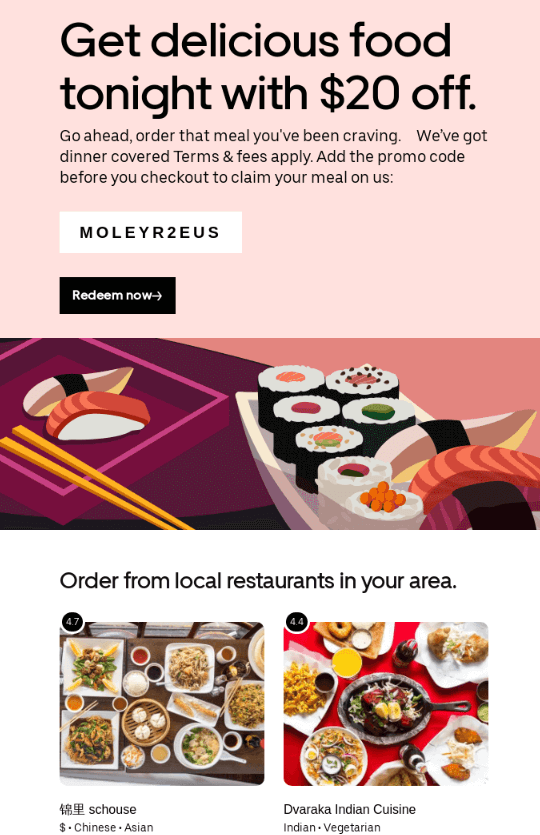
Uber (shown above) is an excellent example of how to improve customer loyalty with personalized emails. They used customer data to provide customized recommendations for nearby restaurants they might be interested in, and threw in an extremely short-term coupon to drive up that urgency.
Build a Community of Buyers
As you can see by now, customer loyalty strategies work best when they leverage each channel’s unique strengths, whether that’s an email or a Shopify checkout page. Your brand can stand out from the crowd by setting clear expectations, leveraging early upsell chances, and creating omnichannel experiences that stick with buyers.
The best way to create those multi-layered strategies? Working with an award-winning digital marketing agency like Coalition Technologies. We turned first-time buyers into lifelong customers for 800+ businesses across all major ecommerce platforms, including BigCommerce and Shopify.
Find out what we can do for your business with a free consultation today.