The Rundown
- Continue to narrow your keyword lists and refine them based on first-party data.
- Long-tail keywords are gold for high-intent searchers.
- PMax optimization is key for automated customer acquisition. Don’t drop it at the first sign of spam leads.
- Build an audience-first strategy for consistent results.
It’s 2025, and Google Ads remains the powerhouse of paid advertising platforms. With the digital landscape shifting faster than the stock market after an impromptu tariff announcement, now’s the best time to build an audience-first strategy by taking charge of your next PPC campaign. Learn everything you need to know with this quick guide.
Table of Contents
Why Some Google Ads Strategies Need To Change
Most best practices aren’t evergreen on a platform and industry that continuously pivots around new features and changing consumer preferences. Sticking to an older, existing strategy and hoping it’ll continue to pay dividends usually fails.
That’s why the only proper go-to Google Ads optimization strategy is to keep an open mind and test new avenues for growth, instead of going all-in on an older approach that might’ve worked in the past. There are two changes worth calling out here:
- AI and Automation: Google’s AI-powered tools like Performance Max and Smart Bidding have never been more intelligent. These tools allow advertisers to leverage real-time data to tweak ad performance. Despite all this power, we rarely see advertisers fully utilize the capabilities of these tools. We’ll go into more detail on this later.
- Privacy: Legislation such as the GDPR and the CCPA has introduced sweeping restrictions on consumer data collection, making first-party data, including audience lists, a necessity. To optimize Google Ads fully, you must pivot to more contextual advertising and first-party data.
Optimizing Keyword Strategies
What To Stop
Google Ads generated 264 billion in advertising revenue in 2024 alone, and it all starts with the keywords you choose. One of the worst Google Ads optimization mistakes in 2025 you can make is to bid on every keyword variation that has worked for you in the past without doing your due diligence.
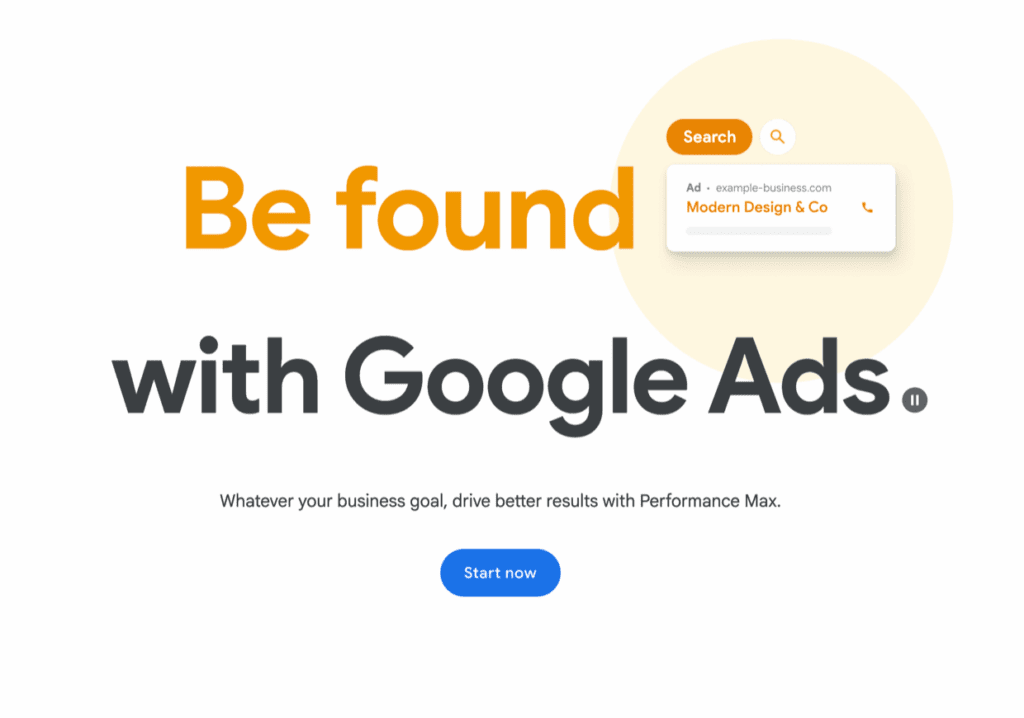
Why? You’re casting a wide net for traffic that does more harm than good, driving up your Cost Per Lead without any measurable improvement in conversions or performance.
What To Continue
Refine, refine, refine. If Google Ads optimization is a priority for you, you should continuously refine your keyword list based on your goals. Much like with PMax optimization, there is no ‘best’ keyword strategy for everyone. We recommend working with a top Google Ads agency to refine your next keyword strategy if you’re ready to take your campaigns to the next level.
That being said, here are a few things you should continue doing with your keyword strategy in 2025:
- Long-tail keywords like ‘energy-efficient lamps for living rooms’ are gold in 2025. They’re less competitive, specific, and align perfectly with mobile queries and voice searches. They drive a considerable volume of high-intent searches and are worth incorporating into your keyword strategy.
- Utilize Google Ads optimization tools, such as Audience Signals, to identify who sees your ads. That data can help refine and narrow your keyword lists for better results.
Frequently Asked Questions
What is an audience-first strategy?
An audience-first Google Ads optimization strategy in 2025 centers on user behaviors and preferences, targeting searchers through audience segmentation and the use of first-party data.
Can I change my Google Ads strategy?
This ultimately varies from business to business and is based on your current campaign performance. It is generally a good idea to keep refining your Google Ads strategies if your CPL creeps up and/or conversion rate decreases.
Can I optimize Google Ads myself?
Yes, but it’s a bit of a shot in the dark if you’re working with incomplete information or unaware of industry trends. If you want to get the most out of Google Ads, working with top PPC agencies like Coalition Technologies is a much safer bet to build a unique campaign around your goals.
Which keywords should I bid on in Google Ads?
This depends on your goals. A business targeting high-intent searchers may want to prioritize long-tail keywords, pairing them with broad match keywords combined with Smart Bidding to capture variations.
Grow with a customized PPC strategy for your business.
Performance Max
What To Stop
When it comes to Google Ads optimization, Performance Max is all about perseverance. Many businesses experience an initial surge in conversions when first launching PMax, only to see them decline as spam leads increase.
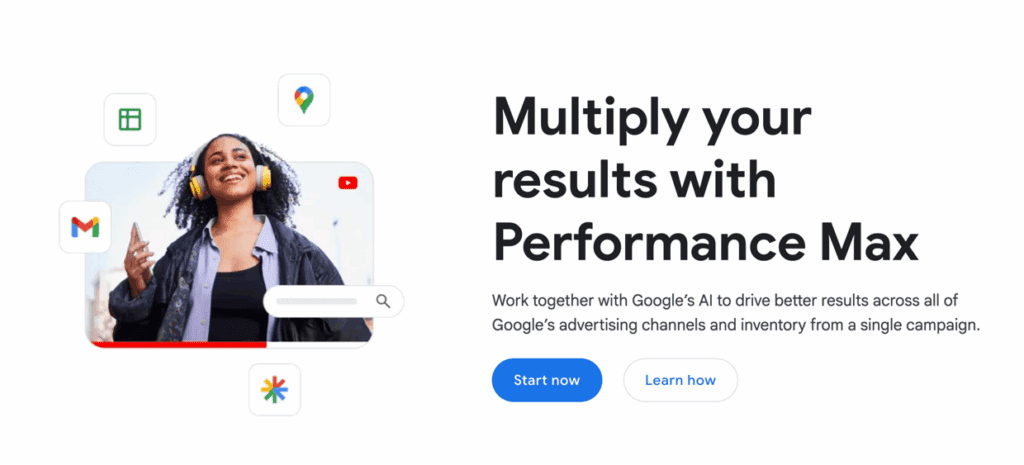
That’s a mistake. PMax optimization revolves around seeing the bigger picture. Not every campaign will be successful, but continuous refinement should, on average, boost conversions. Can’t pinpoint the problems in your PMax campaigns? Get a free Google Ads optimization consultation in 2025 for a head start.
What To Continue
Performance Max is an incredible tool for automated customer acquisition. Continue optimizing your PMax campaigns with data from audience signals, such as Customer Match and first-party website visitor lists.
If you notice a consistent decrease in conversions, review your traffic sources and campaign statistics to identify what isn’t working. For example, you may be paying a significant amount for mobile traffic that isn’t converting.
Re-Thinking Google Ads in 2025
What To Stop
You can’t put your keyword strategy on a pedestal if you’re considering Google Ads optimization. It’s not the most essential part of your PPC strategy; worrying about creating the ‘perfect’ list of keywords can lead to less than ideal results.
What To Continue
Instead, focus on building an audience-first strategy that aligns your keywords and campaign with consumer behaviors and needs. Your strategy should answer questions like:
- What keywords are buyers using to find my top-performing competitors?
- Can I utilize first-party data, such as audience lists, to enhance click-through rates?
- Are there any irrelevant audience segments that we should exclude from our campaigns?
Customer Story: Enjuku Racing
A spend of $190,791.53 generated $5,317,870.85 in revenue.
How did we achieve results like that? By putting our money where our mouth is. Our Google Ads optimization strategy for Enjuku Racing prioritized the needs of their customers, identifying search trends and keyword opportunities using both first- and third-party data. Learn more about our work for Enjuku Racing with the full customer story.
Master Google Ads Optimization in 2025
Put your customers first and refine your keyword strategy, and 2025 is yours to conquer. If you’d prefer to grow with a customized PPC strategy for your business instead, contact Coalition Technologies for a free consultation and multiply your conversions with an award-winning PPC agency.