
Google Ads is rolling out some of the most significant changes to the platform in years. These changes will reshape how businesses approach digital advertising, using a mix of AI-driven tools, better targeting options, and a distinct focus on creative flexibility. Find out everything you need to know about the new features coming to Google Ads and how to use them to achieve your business goals.
Table of Contents
The Rundown
This Coalition Technologies overview covers the biggest enhancements to Google Ads in 2025. Learn more about:
- Enhancements to Google Ads Demand Gen campaigns
- Google’s decision to fold Video Action campaigns into Demand Gen
- New channel controls for YouTube, Discover, and Gmail
- Google Ads updates to creative tools
- Retail-specific enhancements and how you can use them
- Introducing AI-generated backgrounds for Google Ads
- Big AI-powered updates to responsive search ads (RSAs)
- How you can grow with Google Ads in 2025
How Demand Gen is Changing
The big keyword for Google’s approach to Demand Gen in 2025 is consolidation. Google has set a definitive timeline for sunsetting Video Action campaigns. Advertisers will no longer be able to create Video Action campaigns starting in April, and Google has advised them to upgrade manually to Demand Gen as soon as possible.
The core idea behind this consolidation is to unify video advertising tools under Demand Gen while adding powerful new features to make video ads more effective than ever. Demand Gen campaigns deliver 58% higher ROAS than Video Action campaigns, and we expect to see even better metrics with the latest updates.
New Channel Controls
The massive updates to Google Ads’ channel controls will have a massive impact on targeting. The enhanced channel controls across YouTube, Gmail, and Discover balance out Demand Gen’s AI-powered campaign optimization with additional flexibility for advertisers. Considering YouTube ads already deliver 2.3x higher long-term returns than paid social, it’s fair to say this Google Ads change is incredibly promising.

How does it work? Going forward, advertisers can strategically choose ad placements on YouTube videos, Shorts, Discover, and Gmail based on their objectives. For example, a brand targeting quick engagement might prioritize ads on Shorts, compared to a surface like Gmail.
Google Ads Tip: Targeting
The latest Google Ads updates make effective channel optimization more important than ever, especially if you’re looking to achieve your campaign objectives while minimizing spending. Every ad channel hosts different demographics, and advertising effectively on each channel demands a different approach.
For example, an ad on a YouTube video will have a distinctly different format and tone compared to an advertisement on a feed-based browsing environment like Discover. If you’re unsure how to target the right platform for your business objectives, consult a Google Ads marketing agency and get a customized PPC strategy.
Another new Google Ads feature is the addition of Google Display Inventory (GDI) to Demand Gen. This Google Ads update opens up new opportunities for cross-channel optimization, with GDI connecting advertisers to more than 3 million websites and apps, over 90% of the internet population.
New Creative Tools
Demand Gen’s creative toolkit will receive several powerful new additions in 2025, aligning it more with the visual-first content preferred by modern audiences. Let’s take a closer look at these creative changes to Google Ads:
- New Formats: Demand Gen now supports a wider variety of video and image formats for YouTube ads. Advertisers can also create 9:16 vertical image ads perfectly optimized for the Shorts audience, drawing buyers in with more immersive full-screen creatives.
- Video Enhancements: A November Google Ads update introduced the ability to create videos with different aspect ratios using the original source video. These enhancements will be even more powerful in 2025, with advertisers getting the option to take long-form videos and create shorter versions at scale. This will reduce editing times significantly and allow businesses to respond faster to changing consumer preferences.
Retail-Specific Enhancements
Creating more intuitive, seamless customer journeys with Google Ads Demand Gen campaigns just got a lot easier. The new retail-specific features include:
- Improved experiences in Demand Gen with product feeds: Businesses with a Google Merchant Center account can use this feature to improve product discovery with their ads. If a potential buyer clicks on an ad, they’ll be able to view complete product details and transition to other products seamlessly without needing to leave the app.
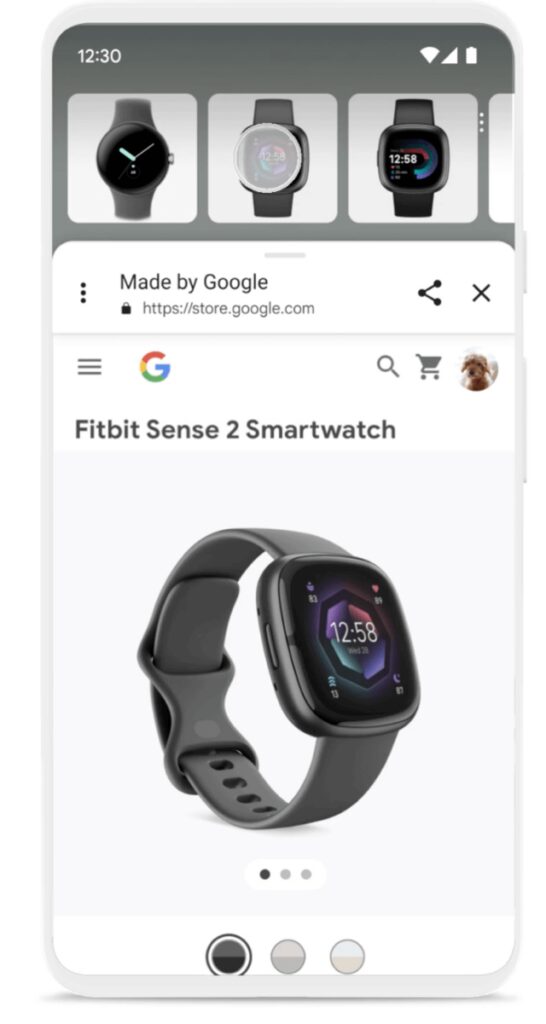
- Local offers: This Google Ads change allows buyers to view updated, real-time information on product availability. Now, product feed information can direct buyers to the closest physical storefront that carries that product.
- Vision match: This new update lets U.S. mobile users describe clothing ideas for AI to generate a few images of what they’re thinking and which shoppable products match that design.
- AR beauty: Thanks to Gemini models, this new update lets U.S. shoppers virtually try on beauty products to find their perfect look. They can explore beauty aesthetics or celebrity make-up looks and click “See the looks on you” to virtually try it themselves.
- Virtual clothing try-on: There is another similar update being rolled out to virtually try out garments on models of all body types and sizes.
These new features bring more inspiration to the buyer’s shopping experience and put a greater emphasis on personalization. Utilizing these updates can greatly increase sales, turning traffic into conversions.
Not sure if your current strategy aligns with the latest changes?
Improvements To YouTube Ads
It’s also worth highlighting a small but significant new Google Ads feature for YouTube. Starting May 2025, Google is introducing enhancements to mid-roll ad quality on YouTube. Google is improving its detection algorithm to display more ads at natural pauses in videos instead of placing them at more disruptive points.
This change is clubbed with the addition of a combined automatic and manual ad placement option. With this Google Ads update, you can still manually place mid-roll ads where you see fit, but if YouTube finds a more natural spot, it’ll automatically place an ad there, too.
AI-Generated Backgrounds for Shopping Ads
Google’s generative AI push could change Shopping Ads dramatically. Google is currently testing AI-generated backgrounds to enhance product presentation based on context. For example, a plain image of a bag of coffee beans could be enhanced with a café background.
A Double-Edged Sword
Product presentation directly impacts conversion, and if Google decides to roll this feature out officially, it could affect your sales. It’s possible these backgrounds might improve conversion rates and minimize expenditures on product photography.
On the other hand, the question remains: do you want to leave your conversions in the hands of Google’s AI? While this experimental Google Ads update is promising in theory, it’s possible AI-generated backgrounds won’t adhere consistently to your brand guidelines, making it harder to stand out.
This Google Ads change highlights the importance of creating and following a consistent ecommerce marketing strategy. If you know what makes your brand unique and the best ways to highlight those qualities, you’ll be able to rise above the sea of similar-looking AI-generated backgrounds and grow quickly with optimized ads.
Updates To Responsive Search Ads
Responsive search ads (RSAs) use AI to find the best possible combination of headlines, product descriptions, and creative assets to generate more relevant ads that make an impact.
New Google Ads updates are making RSAs even more dynamic than before, using a more powerful AI model to create ads that find the right buyers at the right time. For example, Google’s system might omit content, like description lines, if it predicts it’ll lead to a better response.
Similarly, this new Google Ads feature allows additional headlines to serve in different parts of the ad. Google Ads allows up to 15 variations of headlines for RSAs, so this change means you’ll see your unused assets get more opportunities to connect with buyers.
Maximize Your Google Ads Performance in 2025
The latest updates to Google Ads and Demand Gen campaigns, in particular, are incredibly promising. These powerful new AI-driven features open up invaluable growth opportunities for businesses that can adapt quickly. The biggest takeaway here is that businesses shouldn’t rely completely on AI-driven tools, treating them instead as a complement to a carefully crafted PPC strategy.
If you want that first-mover advantage, consider working with a Google-certified PPC agency to build your next Google Ads campaign. Coalition Technologies has driven millions in sales for ecommerce businesses using custom, data-driven PPC campaigns. Those metrics are only improving with the latest Google Ads changes, and your business could be the first to benefit. Contact us for a free consultation today.