PPC advertising remains one of the most efficient ways to drive business outcomes today– assuming you know what to look for. Whether you want to capture or generate demand with PPC, you’ll need to know your way around Meta Ads and Google Ads first. Learn about the differences between Meta Ads and Google Ads with this quick Coalition Technologies guide.
Table of Contents
Placements
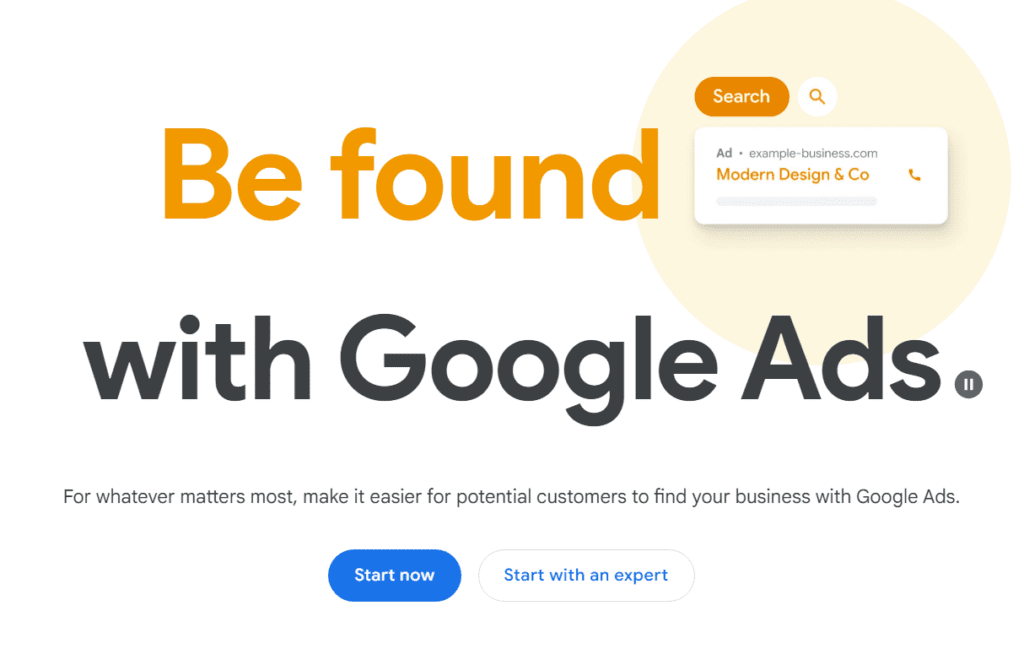
Google Ads dominates search engine results pages and impacts many websites through the Google Display Network. Let’s break down the different placement avenues open to advertisers on Google Ads:
- Search Network: This is the cornerstone of the Meta Ads vs. Google Ads debate. The Search Network allows advertisers to display text ads above and below search results across the Search, Shopping, Images, and Google Maps tabs.
Interestingly, the Search Network’s reach isn’t just limited to Google. Advertisers also get access to hundreds of non-Google websites known as ‘Google search partners.’ This includes parked domains, YouTube, and other Google sites. - Display Network: This network covers over two million websites, videos, and apps, allowing your ads to reach over 90% of internet users worldwide.
Google’s Display Network taps into millions of websites running ads powered by Google AdSense, supporting various powerful ad formats and targeting options. In the following sections, we’ll explore these features in more detail.
Meta Ads vs. Google Ads: Placements
Meta Ads lack the extensive reach you’d get with something like Google’s Display Network, but it’s certainly no slouch. The social difference is the most significant difference between Meta Ads and Google Ads. As an advertiser, you’ll be able to leverage Meta’s extensive social ecosystem to reach buyers; this includes:
- Facebook: Connect with buyers directly through their Facebook feeds. Meta Ads allows advertisers to leverage various campaign targeting options, including demographics, interests, and behaviors. Facebook ads are great for campaigns that want to maximize their reach across diverse demographics.
- Instagram: Instagram offers targeting options similar to Facebook, focusing more on sustained engagement and visually appealing ad formats. Comparing Meta Ads vs. Google Ads, it’s worth mentioning that Instagram also boasts a younger demographic that can easily be reached through engaging full-screen vertical Stories ads and interactive features like polls/quizzes.
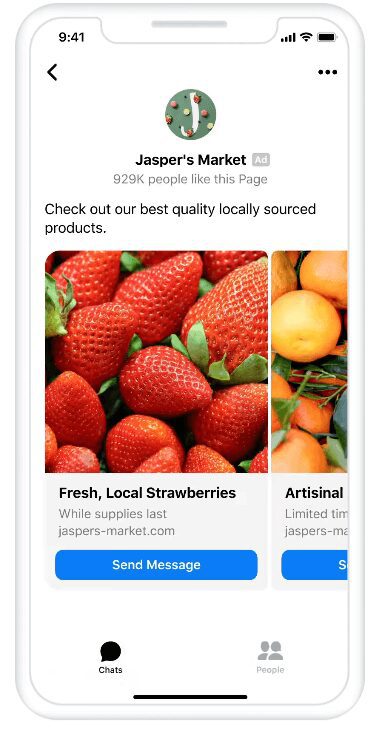
- Messenger: 1.3 billion people use Messenger every day. Meta Ads puts you in the middle of those conversations with the precision thousands of businesses rely on daily. You can also use the same visual assets deployed earlier for your Facebook and Instagram ads, which saves a ton of time. Once you launch a campaign, Meta will automatically find the best placements for your ads based on the results you’d like to achieve.
- WhatsApp: WhatsApp is one of the most popular messaging apps in the world right now, with nearly 3 billion monthly active users. However, it’s worth noting that the platform’s advertising capabilities are evolving daily in terms of the Meta Ads vs. Google Ads debate. Meta recently overhauled WhatsApp Business, letting brands craft personalized outreach campaigns and build meaningful connections with potential buyers.
Campaign Goals
Each platform offers a ton of different ways to connect with new audiences. The best choice for your business will depend on what you want your campaigns to achieve. Let’s take a look at the differences between Meta Ads and Google Ads when it comes to campaign objectives.
The most significant point that stands out when assessing Google Ads vs. Meta Ads is that choosing a campaign objective is optional. First, you’ll be asked to select an objective when creating a campaign. These objectives include:
- Sales: Highly effective at finding users who are actively searching for your products and services. These campaigns are designed around capturing high-intent users and streamlining their path to conversion.
- Leads: Encourage searchers to take action and generate more relevant leads with every campaign. You can target specific keywords relevant to your business and products.
- Brand Awareness: Google Ads is excellent for building more brand awareness. You can tap into the Display Network to engage users at the right time and place.
Once you’ve chosen a campaign objective, Google Ads will allow you to choose from various campaign types. This selection can be limited based on your objective, so some marketers recommend creating campaigns without a goal. For instance, marketers who choose the ‘Brand awareness and reach’ goal can only create Display and Video campaigns.
Meta Ads vs. Google Ads: Campaign Goals
Picking a campaign objective in Meta Ads is mandatory. This is because campaign objectives and types are integrated with the Meta Ads platform. Just like with Google Ads, you can create campaigns to:
- Build awareness
- Increase website traffic
- Generate more leads
- Increase engagement
- Promote users to install your app
- Increase sales
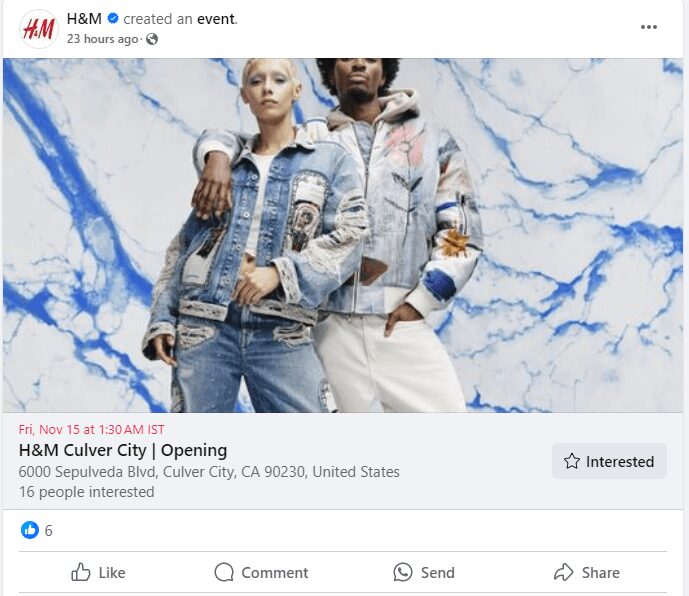
A critical difference between Meta Ads and Google Ads is how Meta capitalizes on its social networks. For example, a business wants to promote an event, such as opening a new outlet. Meta’s Ads Manager simplifies these promotions. Marketers can choose the ‘Engagement’ objective to create event ads featuring an ‘Interested’ button to drum up interest. Meta lets marketers add details like event locations, schedules, and co-hosts to ads to make it easier for people to find events around them.
Targeting
If we compare Meta Ads vs. Google Ads, the level of personalization shown above is great for businesses that want to generate demand and reach new audiences. Similarly, Google Ads excels at capturing high-intent users who already know what they want, providing high ROI for businesses.
Lookalike audiences are a core targeting feature for Meta Ads users. Using an existing custom audience (known as a source audience), Meta Ads analyzes information like demographics, interests, and behavior to find users with similar qualities. Naturally, the result will be determined by the quality of the source audience and the number of people in it. Meta recommends between 1,000 and 5,000 people for a source audience.
Regarding Meta Ads vs. Google Ads, Meta offers stronger targeting features. Google Ads’ ‘Similar segments’ feature was a strong competitor until it was shut down in 2023. However, Google Ads still supports optimized targeting for Display and Video action campaigns.
Creative
Responsive search ads (RSAs) are the new default option for Google Ads campaigns. Responsive ads are much more dynamic than legacy text-based Google search ads. RSAs draw on machine learning to deliver more relevant ads to your audience. You provide the assets (headlines and text descriptions), and Google will automatically shuffle them to create a match that suits different search queries.
The core difference between Google Ads and Meta Ads regarding ad creatives is structure. Meta Ads also use machine learning to optimize delivery, but ads consist of headlines, descriptions, a caption, and visual assets like videos. Meta Ads are more suitable for campaigns that want to create a sustained narrative and improve engagement.
Meta Ads vs. Google Ads: Which One is Best For You?
The best PPC channel for your ecommerce store will depend on your objectives. Are you trying to capture or create demand?
- Google Ads is great for capitalizing on existing customer demand and intent.
- On the other hand, Meta Ads excels at generating demand. As a business, you can use the platform’s powerful targeting tools and engaging ad formats to hook buyers who might have otherwise been unaware of your brand and products.
The best way to compare Meta Ads vs. Google Ads is to consider the example of an online store selling high-end engagement rings. Engagement rings are generally sold to high-intent buyers who know they want to marry. As a marketer, using Google Ads’ powerful keyword-based targeting and extensive network to reach those buyers rather than trying to engage low-intent buyers with Meta Ads makes more sense if you’re looking for a more immediate return vs nurturing a top of the funnel audience.
Build Your Ideal Campaign
All the differences between Google Ads and Meta Ads can be challenging to manage if you’re also focused on running an ecommerce store. Avoid overspending on PPC campaigns and supercharge your ROI by working with a certified digital marketing expert. Coalition Technologies has driven millions in revenue for businesses using tailored PPC campaigns, and we’d love to show you how. Contact us today for a free consultation.