
Key Takeaways
- To quantify the value of SEO, monitor the growth of sales and leads, A/B test engagement and bounce rate, compare the before and after of visitors and views, and look for citations in LLMs like Google AI Overviews and AI Mode.
- Your website first needs to be indexed in Google, improve rankings, and start winning clicks to establish authority and strengthen your online presence. From there, you’re more likely to rank high on search engine results pages and get cited by LLMs.
- Recognize that SEO is a sequential, long-term process that builds upon itself exponentially. Don’t expect immediate results.
- Consider a two-pronged approach with PPC for short-term gains and SEO for long-term growth.
Table of Contents
Is SEO Worth It?
Let’s cut to the chase: Is SEO worth it? As one of the world’s best SEO agencies, we’re going with yes. As long as you have bona fide pros in your corner, search engine optimization is a proven method that can help you achieve a variety of business goals.
In this blog, we’ll demonstrate the value of SEO, including establishing baseline goals, tracking and measuring relevant metrics, and recognizing the process for achieving the best outcome. We’ll also compare the cost of SEO with paid advertising for a full perspective. Let’s get started!
Establishing Your Baseline Goal
Sales, Leads, Web Traffic, and Engagement
The most direct measurement of the value in any kind of digital marketing is whether it boosts your revenue. That means more sales for an ecommerce business, and more leads for a service-based business. Getting more people to buy your products or use your services is the ultimate goal for most businesses, and the final determination of whether your SEO is worth it.
Web traffic refers to the number of people who visit your website. An increase in visitors to your site often coincides with a boost to sales and leads. But even if you don’t see the same lift in conversions that you do in traffic, it can still be overall beneficial to your business. Informational content and blog articles are valuable aspects of SEO that can bring in traffic from searches on related topics. Even if these visitors don’t convert to sales, this still contributes to the domain authority of your website.
Engagement is most often referred to in the context of social media marketing, but the term can refer to many types of interaction on your website. User-generated content like reviews and testimonials, sign-ups to an email newsletter, or downloads of information like Ebooks you have available can all help measure the impact of your investment in SEO.
Sales & Leads
SEO is almost certainly worth a try for your business, but you’ll know for sure once ecommerce sales start to rise, or you see new leads generated through your website. So what’s a fair expectation for those kinds of results?
Most SEO campaigns are profitable within their first 12 months. You’ll most likely be seeing enough sales and leads to pay for your SEO marketing investment after one year, but keep in mind that it’s not uncommon for results to take that long.
Let’s say you’re an apparel company that does an average of $100,000 in sales every month. It may be reasonable to set the goal of doing $150,000 in monthly business by this time next year.
Tracking the value of SEO could involve using Google Analytics conversion paths to trace the origin of the lead and the steps that the customer took along the way to eventually completing the order.
For example: An SEO specialist adds new keywords to the pages for your top 5 products or service lines. If analytics show that many of the new site visits originated in search queries, like the new keywords that were added, you have a strong case that your SEO is working as intended.

Over time, you’ll be able to see which keywords deliver the greatest results, like filling in a map of the path your customers are taking to find you. That’s a dataset you can analyze to get the bigger picture and plan the next move. There’s no need to reinvent the wheel if it gets you to your destination!
Engagement and Bounce Rate
Is SEO worth it for websites that don’t rely on product sales? Absolutely. Businesses that rely on client sign-ups, ad revenue, or affiliate links all benefit from an SEO campaign that focuses on engagement.
To demonstrate the value of SEO, let’s say a video gaming review site wants to turn casual visitors into members of the cool kids’ club. They set a goal of reducing their bounce rate by 5% over the next quarter. In this case, success is defined by how long visitors stick around, rather than conversions.
To accomplish this goal, the SEO specialist might focus on adding more specific, short-tail keywords that speak more clearly to the reason for a viewer’s visit to the site. They might add more relevant internal links to help improve mobility around the site, and reduce the ratio of visitors clicking “back” on their browser or phone. They might also add more detailed information so that visitors won’t feel the need to find a more complete answer to their search on another website.
Visitors and Views
Is SEO worth it for publishers that prioritize high traffic? Once again, that’s a big ol’ yes. Whether the objective is to increase subscriptions or ad clicks, an effective SEO campaign can bring new users to the organization. In this case, the value of SEO is directly intertwined with the growth of the site’s user base.
According to Statista, The New York Times is the most popular news website with 463.07 million monthly visits in the United States in December of 20241. That’s not a coincidence!
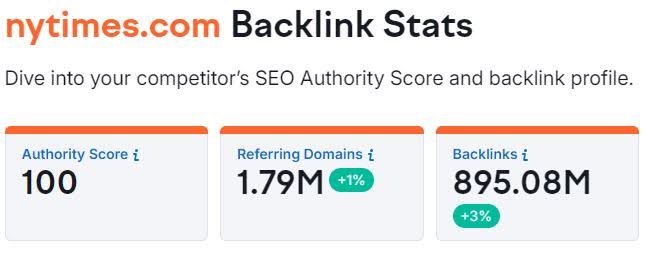
The website has a comprehensive SEO foundation that includes 895 million backlinks, 1.79 million referring domains, and a domain authority score of 1002, according to Semrush. And that’s just scratching the surface of the SEO techniques that The New York Times’ SEO team undoubtedly employs. Yes, even the big guys need some help to maintain their internet presence.
Presence in the AI Ecosystem
Don’t overlook AI when considering the value of SEO. While the aforementioned traditional SEO goals are far from irrelevant, many forward-thinking SEO specialists are calling LLMs (large language models) like Gemini, Perplexity, and ChatGPT the “new search engines” due to the rapid and rising shift in user search behavior. Many are abandoning traditional search in favor of asking these omniscient models for conversational information, often leading to zero-click searches.
While zero-click searches can be discouraging, they also present an opportunity to use Google AI to your advantage. It’s no secret that most SEO strategies heavily focus on Google, so implementing strategies that lead to appearances in Google’s AI Overviews and AI Mode is a natural extension and evolution of existing SEO fundamentals.
When marketing within AIs, the value of SEO is less based on immediate clicks and conversions and more based on establishing a commanding presence that drives long-term brand awareness.
So, when deciding if AI-focused SEO is worth it, consider your business model. Are you just looking to sell more products as quickly as possible? If so, traditional SEO is more likely to bring searchers directly to your website. On the other hand, if you’re looking to grow your audience and boost your brand’s reputation, capturing AI spotlights should be a top priority. And, a holistic approach with both strategies can be powerful, as they can complement and build upon each other.
To help you visualize how the value of traditional SEO can be higher than AI SEO based on contextual factors, let’s look at a case study for our client, BowlersParadise.com.
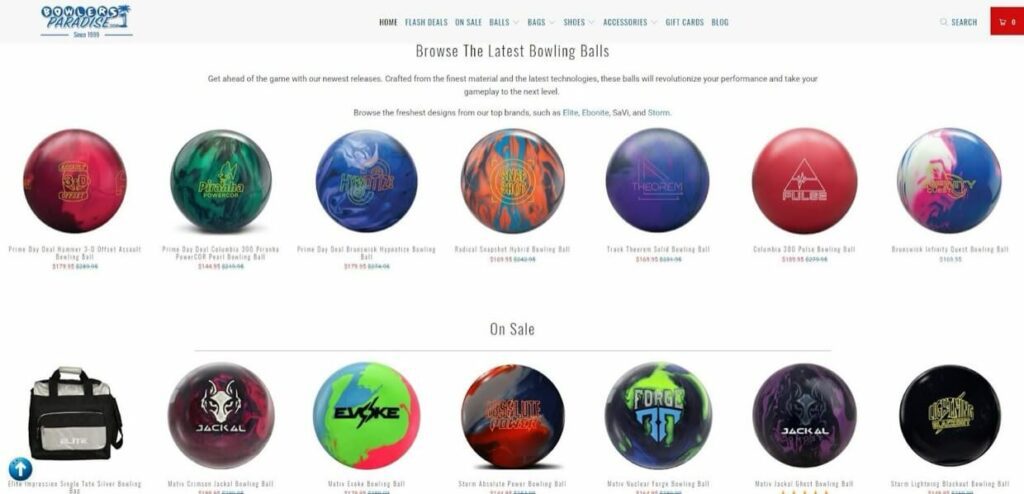
Because BowlersParadise.com’s products have short lifecycles, and they’re regularly releasing new products, we focused on quickly capturing relevant keyword rankings. In this case, although AI SEO could play a supporting role, it made more sense to optimize for traditional, product-focused keywords. Within four months, we doubled their #1-ranking keyword positions. Traditional SEO still works!
Want to hear what SEO can do for your business?
The Metrics Needed to Achieve Your Goals
Reading an article or watching a YouTube video doesn’t make you an SEO pro. Is SEO worth it for newbies panning for digital gold? Although some very basic SEO tactics may help somewhat (if you’re lucky), partnering with a reputable SEO agency is the best way to fully conquer your goals and unleash the full potential and value of SEO. If a self-proclaimed SEO guru says otherwise, move along.
SEO isn’t a set-it-and-forget-it button you push. It’s a delicate, sequential process that requires finesse and involves multiple steps that build upon each other exponentially over time. Here’s a brief example of what that can look like.
Indexing
Google’s algorithms need to be guided in the right direction. You need them to crawl your website and add it to Google’s index. It’s impossible to reap the value of SEO without this first step.
An SEO-optimized website will typically have a sitemap.xml file to help search engines discover your website and a robots.txt file that tells the crawlers which parts of the site they can access. See this example of a robots.txt file from nytimes.com.

Ranking
Among other techniques, SEO specialists will optimize your site with targeted keywords that prioritize your website in the search engine results pages (SERPs). We’re not going to sugarcoat it: If you’re not on SERPs, you don’t exist to your customers.
Clicks
Once your website is ranking high in SERPs, that’s when you really start to see the true value of SEO. The next piece of the puzzle is your click-through rate (CTR). This is the ratio of people who see your website in a Google search to the number of people who click to see it. This is where SEO optimization of your website’s title tags and meta descriptions shows its value. Using the same terminology to describe your site and the products or services that your customer is searching for will give you the best chance of winning their click.
More clicks lead to higher traffic, which means higher domain authority, which makes for a higher search engine ranking, leading to more clicks. It’s a virtuous cycle of sustainable growth for your business.
AI Overview and AI Mode Appearances
The value of SEO becomes even more evident when your brand starts showing up not only on SERPs, but at the very top of the page in Google AI Overviews and in AI Mode.
Authoritative, well-structured content and a stellar reputation can get your website cited. That’s a big deal. There’s a huge (and growing) number of people who don’t even bother scrolling down the page anymore, relying solely on AI to point them in the right direction.
Acquisition Costs: SEO vs PPC
Is SEO worth it for short-term gains? Typically, no. Effective SEO requires that you lay the preliminary groundwork and establish a solid foundation before the rocket can launch. On average, this preparation takes around six to nine months before the value of SEO becomes abundantly clear.
Paid advertising can absolutely provide impressive short-term results, but setting up a solid framework is the key to longevity, and the overall long-term ROI is usually stronger with SEO. And, according to Shopify, users tend to trust organic search results more than paid ads3.
With that said, you don’t need to choose between SEO and PPC! Both approaches can work synergistically. Paid advertising gives your business a quick jolt while SEO builds momentum over time. SEO focuses on the big picture, paving the way for tremendous growth in the future.
Let’s use our client, Enjuku Racing, as an example of the value of SEO and PPC together.
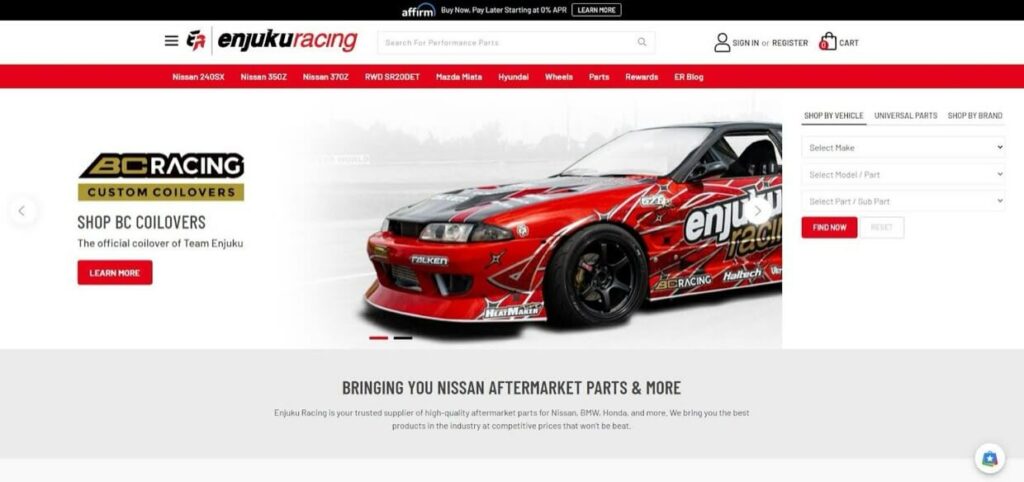
Our hybrid approach included SEO to drive organic growth and a Google Ads campaign to rapidly boost revenue.
Our SEO led to a 31% increase in monthly traffic compared to the previous year. The Google Ads delivered a staggering 2,687.27% ROI, generating $5,317,870.85 in revenue from a $190,791.53 spend.
Set the Stage for Success
Coalition Technologies can implement a comprehensive, custom-tailored digital marketing strategy that helps you achieve and exceed your goals. Our knowledge, skills, and experience are unparalleled.
Check our case studies and client reviews, and contact us for a free consultation.
Frequently Asked Questions
What are the most important SEO metrics to track?
As highlighted above, the value of SEO is very dependent on context. For sales, watch lead origins and conversion rates. For entertainment, track bounce rate. For publishers, monitor traffic and views.
How can I see if my SEO campaign is working?
Analyze your website’s historical data over a specific period of time using Google Search Console, Google Analytics, or a similar tool. Compare those numbers with post-SEO numbers (compare the last 3 months to a previous period or the last 3 months year over year, for example).
Why do I need to set goals before implementing an SEO campaign?
SEO techniques aren’t static, and good SEO specialists will follow the data closely and adjust strategies as needed. Setting goals gives the SEO specialist a clear target, empowering them to create a focused plan to achieve your desired outcome and make adjustments if necessary to stay on track.
Endnotes
1. https://www.statista.com/statistics/381569/leading-news-and-media-sites-usa-by-share-of-visits/
2. https://www.semrush.com/website/nytimes.com/overview/
3. https://www.shopify.com/blog/organic-vs-paid-search