

The increasingly competitive ecommerce space has made one thing clear: picking the right platform has never been more critical. Platforms like WooCommerce and Shopify have been aggressively upgrading their features in recent times, and each one offers unique advantages that just might be perfect for your brand. Make the right choice with this guide from Coalition Technologies.
Table of Contents
What Do These Platforms Do?
You’ve probably heard of platforms like Shopify and WooCommerce in 2024–but what exactly do they do?
Simply put, ecommerce platforms provide all the tools and support businesses need to showcase their products or services online, manage sales, and nurture customer relationships. This is why differentiating WooCommerce vs. Shopify is so essential. The right platform will help you:
- Streamline the entire online selling journey.
- Handle everything from attractive storefront design to secure payment processing.
- Scale up seamlessly as you grow your audience.
WooCommerce: The Basics
WooCommerce is ideal for merchants already familiar with the WordPress ecosystem and looking for a more flexible solution. This powerful platform is actually an open-source WordPress plugin, seamlessly integrating with existing WordPress websites to transform them into dynamic online stores.
If you’re already a WordPress user, think of this as a plugin unlocking its ecommerce potential.
Shopify in 2024: The Basics
When it comes to WooCommerce vs. Shopify, the latter is well-known for its user-friendly approach to ecommerce. This USP has helped Shopify corner 10% of the global ecommerce market. Unlike WooCommerce’s plugin-based model, Shopify is a fully hosted platform that functions as a one-stop solution for merchants.
Now, while Shopify might not offer the same level of customization as an open-source platform like WooCommerce, it compensates with an impressive array of built-in features and a massive app store. Need to streamline your shipping process? There’s an app for that. Want to run targeted ad campaigns? You guessed it- there’s an app.
WooCommerce vs. Shopify: What’s The Difference?
Hosting and Setup
The initial setup and general ease of use can be deciding factors when looking at platforms like WooCommerce in 2024.
For instance, WooCommerce does not include a hosting solution. You have the flexibility to choose your hosting provider, giving you greater control over your server environment and the choice to potentially optimize for cost or performance.
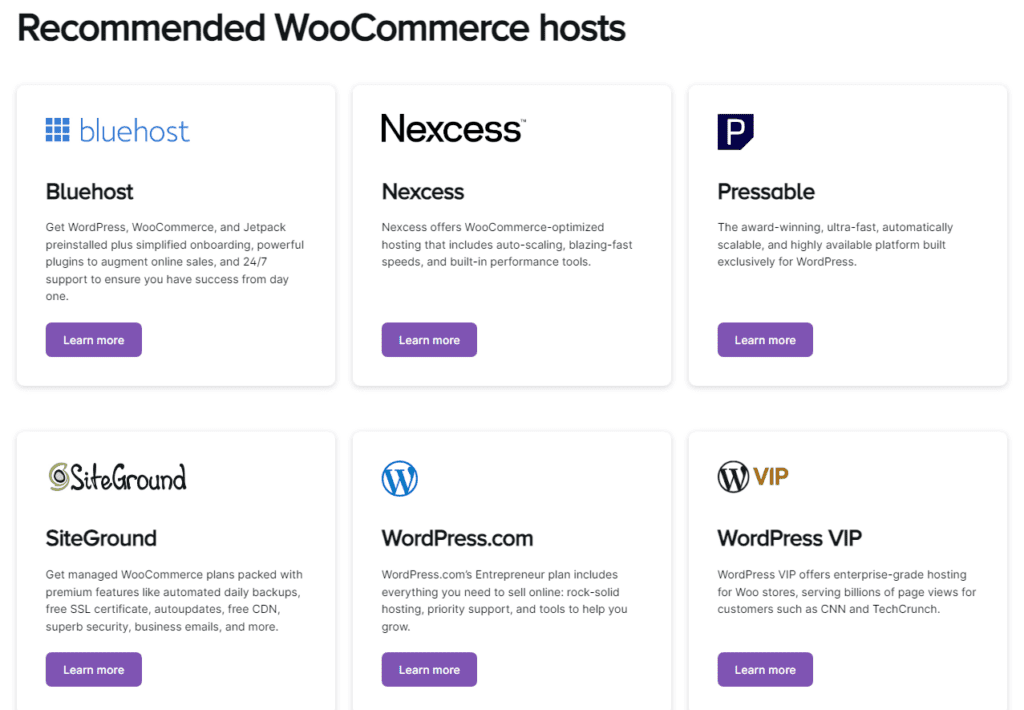
However, this also means you’ll be responsible for managing your hosting account. The subscription fees charged by some hosting services can also be quite steep.
As of 2024, Shopify hosting is a fully integrated solution, meaning you don’t need to worry about any technical details or server maintenance. This integration is one of the biggest differences when it comes to WooCommerce vs. Shopify. When you sign up for a Shopify plan, you get access to everything you need to run your store, including a fully-fledged hosting solution.
Customization & Themes
WooCommerce might not be as user-friendly as Shopify, but the customization and design options here are pretty much endless. Here are the highlights:
- Child Themes: This powerful tool lets you modify the theme’s appearance without altering the original theme’s code. Child themes inherit the base functionality of the parent theme but provide a safe space for your customizations.
You can further refine your store’s look and feel by directly editing the theme’s CSS. This allows for detailed adjustments to color schemes, typography, and layout elements. If you’re comparing WooCommerce vs. Shopify and customization is a priority, child themes are definitely worth considering.
If you want to minimize coding, WooCommerce themes typically also include visual customization options, allowing you to change colors, fonts, layouts, and header/footer elements without modifying any code.
- Hooks & Filters: Developers can leverage hooks and filters to modify the platform’s core functionality. These hooks allow you to add or modify your funnel to create a tailored experience. You can also override the default WooCommerce templates to modify the layout of specific areas of your store.
Shopify in 2024 takes a very different approach to customization. WooCommerce customization requires a certain amount of expertise and coding knowledge if you want to make extensive changes, while Shopify is generally easier to work with.
- Extensive Theme Library: Shopify vs. WooCommerce’s approach to themes could not be more different. Shopify features a massive library of paid and free themes created by professional designers. WooCommerce in 2024 also features a theme library, but Shopify takes the lead here in terms of visual appeal. Merchants can pick a theme and start selling immediately. The trade-off, of course, is that your storefront might not stand out.
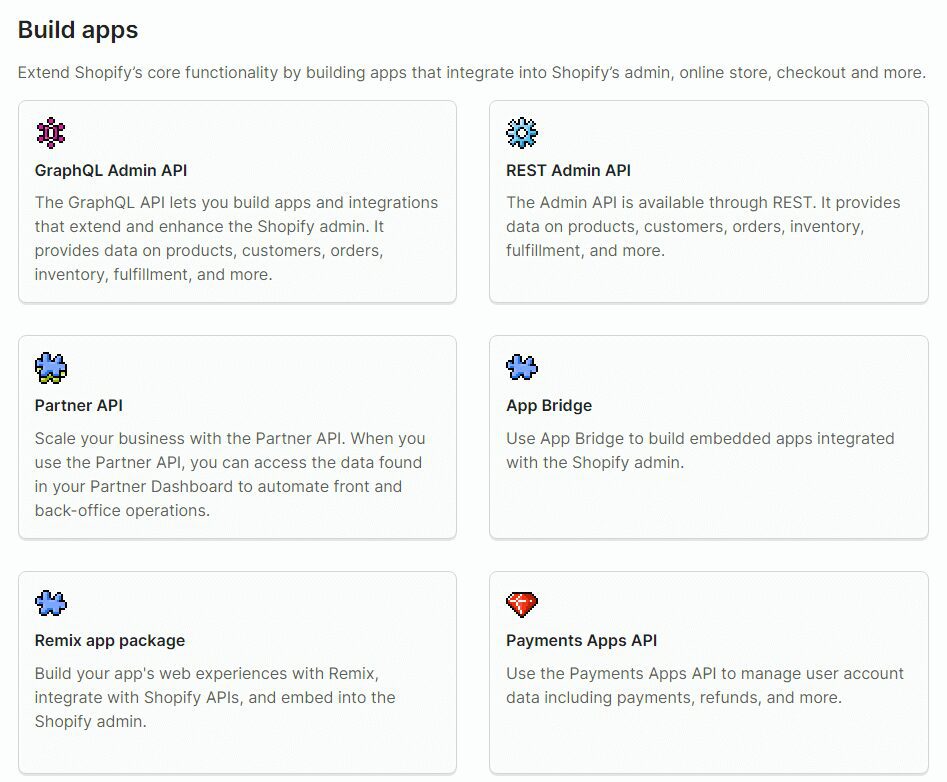
If you want to make in-depth changes to your storefront, you can do so through Shopify’s Liquid templating language and API access. You can create custom code snippets to modify store functionality and add new integrations as needed.
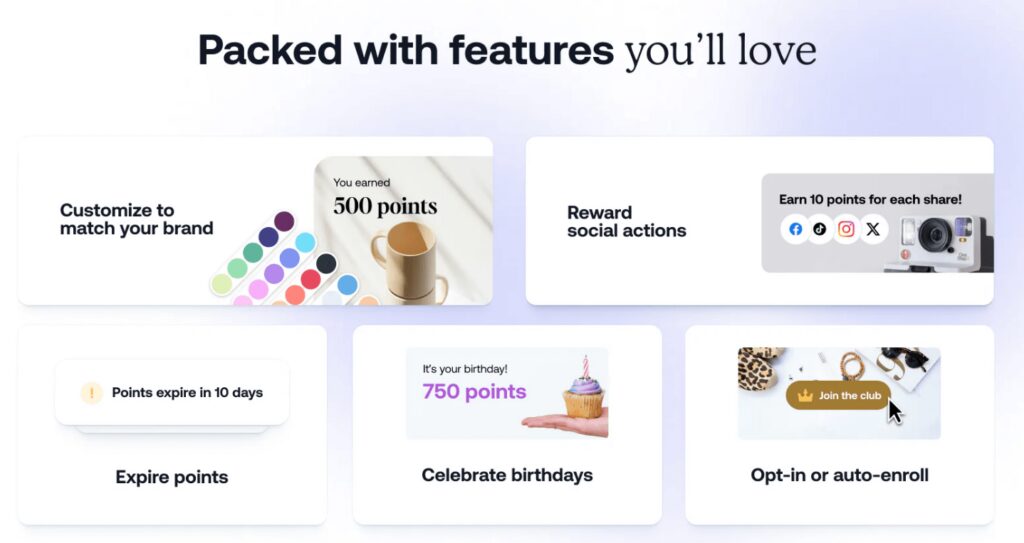
- Apps: The app store is a key factor in the WooCommerce vs. Shopify debate. Shopify’s app store offers plug-and-play tools that can add new features to your store in minutes. For example, you can add a loyalty program to increase repeat purchases with the Smile app. Or, you can use GemPages to build unique, optimized storefronts to boost sales.
International Selling in 2024: Shopify or WooCommerce?
WooCommerce isn’t inherently designed for international selling, but the right combination of plugins and extensive customization options can help you reach your target audience–wherever they are. For example, you can use plugins to add features like automatic currency conversion and translations.
The familiar WooCommerce vs. Shopify trend repeats here. Shopify offers multi-currency and international sales support right out of the box, no plugins needed. Shopify’s user-friendly international solutions have helped it develop a global presence, housing sellers from 175 countries. It’s worth noting that Shopify handles international taxes and duties automatically, while WooCommerce requires plugins for similar functionality.
Security
WooCommerce, as a self-hosted platform, makes security broadly the merchant’s responsibility. While WooCommerce itself is a secure platform, its overall security hinges on the hosting provider and their diligence. This means you’ll have to be very careful about choosing the right hosting service when comparing WooCommerce vs. Shopify. Ideally, they should:
- Offer free SSL certificates
- Provide regular updates for 2024 WooCommerce plugins
- Include regular (preferably daily) backups
As of 2024, Shopify does all of that for you by providing built-in security features and regular updates. Shopify is also PCI DSS compliant (crucial for handling sensitive customer data), whereas WooCommerce requires manual compliance efforts. These built-in features allow merchants to focus on running their stores, knowing their data is fully protected.
Scale: WooCommerce vs. Shopify
WooCommerce requires a bit of foresight and technical know-how when it comes to scaling. While incredibly scalable in the right hands, WooCommerce’s performance can be fairly dependent on a few factors:
- Your technical expertise (if you’re running the store on your own)
- The builder you are using
- Your chosen hosting plan and server capabilities
Handling over 100k+ monthly users, for instance, will generally require a robust hosting infrastructure involving load balancing and other features. WooCommerce gives you more control over how you scale as long as you know what you’re doing.
Shopify doesn’t share that caveat. If we’re comparing WooCommerce vs. Shopify, it’s worth mentioning that Shopify inherently offers seamless scaling. Their integrated hosting automatically adjusts to accommodate your business’s growth, handling traffic spikes and increased order volumes without requiring additional input.
This stability is especially important for events like Black Friday. For example, merchants drove sales of over $9.3B during 2023’s Black Friday-Cyber Monday event.
Support
Snags are unavoidable, and support can be a make-or-break factor when assessing platforms like Shopify in 2024. Shopify is well-known for its approach to customer support:
- Documentation: Shopify features a robust and easy-to-follow documentation portal. Sellers can troubleshoot most issues even if they have little technical knowledge.
- Direct Support: Another advantage of Shopify vs. WooCommerce is the direct support. Shopify offers quick support via phone, email, and live chat. Sellers who want to improve their ecommerce knowledge can use the structured learning experience provided by Shopify Academy.
However, while Shopify provides excellent documentation for general topics, it might fall short when it comes to more advanced technical issues. These support tools are also explicitly focused on the Shopify ecosystem, so you won’t find guidance on using third-party integrations and other tools.
Let’s see how WooCommerce in 2024 stacks up against the competition:
- Documentation: Both novice users and seasoned developers can find a wealth of information, ranging from basic setup guides to in-depth customization tutorials. In particular, developers comparing WooCommerce vs. Shopify can benefit from the extensive documentation dedicated to code samples and API references.
- Direct Support: WooComerce boasts a vast and active community providing real-world insights and many third-party resources, along with a global direct support team.
While WooCommerce’s extensive support options are great, they can also be somewhat overwhelming for beginners. Additionally, the quality of third-party resources and documentation can sometimes be inconsistent.
Which One Should You Choose?
Comparing Shopify in 2024 with its open-source alternative, it’s easy to see how each platform plays to its strengths.
| Shopify | WooCommerce |
| Ideal for beginners and anyone prioritizing ease of use. Their structured and accessible interface and readily available support make navigating ecommerce a breeze. | Perfect for experienced developers and sellers who want more control over their store, featuring superior customization options and documentation. |
WooCommerce vs. Shopify: Make The Most of It
No matter what platform you’re building on, working with an experienced developer is the best way to unlock its true potential. Experienced web designers and developers can optimize your store to maximize sales and visibility, replacing expensive plugins with efficient, bespoke solutions.
Find out what a leading web development agency can do for your business today. Contact Coalition Technologies for a free consultation, and discover what makes us the go-to choice for ecommerce brands everywhere.