

Change is one of the few certainties in ecommerce. The best-laid plans can go out the window virtually overnight after a major search engine algorithm update, and consumer preferences can also change deceptively quickly. If your business isn’t equipped to deal with these changes, they could set you back and even erase the momentum you’ve been building.
Effective ecommerce planning is specific yet agile. It guides you towards your goals but also has an alternate route planned out in case of emergencies. Plan the perfect content strategy with this Coalition Technologies guide.
Table of Contents
What is a Content Marketing Strategy?
58% of B2B brands reported increased revenue due to content marketing, but content marketing is much more than creating blog posts and sharing them on social media. Every content marketing piece hinges on a strategy. This strategy is essentially a way to plan how to approach, engage, convert, and retain your target audience.
Before You Begin
It’s not about what your strategy can do for your business; it’s about what your business can do for your strategy. An effective content strategy for ecommerce requires:
Collaboration & Ownership
At its core, content marketing is about creating and sharing relevant and high-value content to achieve a specific purpose. Businesses often forget that their own organization is one of the best organic sources of expertise, and all of that experience can come together to form an immaculate content marketing strategy.
Think of it this way: your HR team can offer unique insights into connecting and meaningfully engaging with new audiences. The sales team can work with the marketing folks to hash out relevant customer pain points and needs, while the product developers can share unique selling points to help build a narrative.
Aligning these teams and tapping into your in-house subject matter experts is an excellent way to foster a sense of ownership across departments and create truly unique and valuable content.
AI: How Much is Too Much?
A good content marketing strategy walks the tightrope between the new and the old. Ecommerce planning understandably requires marketers to look ahead and use the best possible tools on the market, but recklessly chasing a trend can be an exercise in futility. AI is the best example of this. If used well, it can be a force for productivity. Otherwise, it can actually harm your brand. Let’s take a closer look at this tool for ecommerce content strategy:
- The Good: AI tools can be incredibly valuable for strategists, in fact, 67% of small businesses already use them for content marketing. These tools can be used to create quick outlines, speed up market research, and brainstorm new ideas for your content marketing strategy.
The idea is to automate tedious tasks like research and content scheduling, freeing up time to focus on higher-level strategy, creativity, and audience engagement. AI can also provide data-driven insights to inform your decisions, helping you create content that delivers results and resonates with readers. - The Bad: AI is deceptively convenient, emphasis on the ‘deceptively’. One major concern is the potential for AI to generate ‘hallucinations’–where AI generates factually incorrect or nonsensical information by ‘recalling from memory’ rather than looking up the exact information to reference for you. This is especially problematic for a content strategy, as it can lead to inaccurate data and misleading insights. How can you create high-quality content if the plan itself is off-base?
The bottom line is that a good content marketing strategy requires some restraint. Marketers shouldn’t chase trends if they aren’t directly beneficial to their goals.
Crafting an Ecommerce Content Strategy
A great strategy, above all else, requires a solid understanding of the basics. Follow these core principles, and you’re halfway there.
Define a Goal
This is your guiding light in ecommerce planning. Having a clear, defined goal gives you:
- Focus: A clear goal ensures your content creation is focused and purposeful. Instead of creating content for the sake of it, you’ll be creating content that directly contributes to the objective.
For instance, a brand wanting to increase leads with a content marketing strategy will typically focus on posts highlighting their products’ benefits and addressing known pain points. These posts would also involve some form of CTA in order to generate conversions.
If the brand’s goal was to increase brand awareness, it would have to take a slightly different approach. This goal would call for content that shares valuable insights and spotlights the brand’s expertise rather than a specific product. This is why over 50% of marketers believe content marketing has increased their brand visibility. - Metrics: A defined goal provides a roadmap to measure the success of your content marketing strategy. You can now use data to quantify the impact of your content instead of trial and error.
- Consistency: Consistent messaging is so, so important in forming a brand identity, and a well-defined identity can make all the difference if you’re a smaller brand. When you have a clear goal, every piece of your content strategy for ecommerce can reinforce it.
This means that every piece of content, whether it’s a blog post, social media update, or email, should be precise in its messaging while pushing your brand’s strengths. Consistent messaging also plays a big role in building trust and credibility with newer audiences.
Find Your Audience
A clear understanding of the goal and the target audience go hand in hand. Your content marketing strategy should answer these questions:
- Who is engaging with our content?
- Who should be engaging with our content? (Your content should be bringing in qualified traffic, not just traffic.)
- How can we make that engagement happen?

The aim should be to understand your audience’s wants, interests, and pain points. Every demographic demands a different approach, and finetuning your messaging can drastically improve outcomes. In fact, around 82% of customers agree that customized content improves their perception of a brand.
Evergreen Ranking
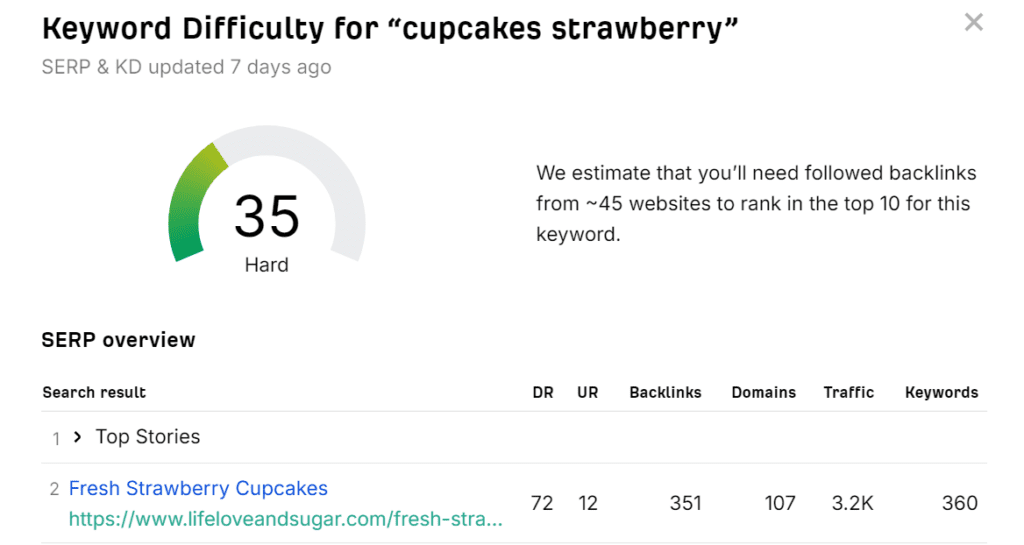
Much like diamonds, certain keywords are forever. Evergreen content remains relevant year after year, providing sustained visibility for your brand. Creating this evergreen content does require a solid content marketing strategy, but the consistent long-term rewards are more than worth it.
The key is to target evergreen keywords. Ranking for these keywords with a content strategy for ecommerce allows you to tap into a steady flow of traffic that doesn’t need short-term hype. For example, people will always search for ‘SEO basics’ or ‘how to cook spaghetti.’ On the other hand, terms like ‘best Winter outfits 2010’ will naturally have an expiration date.
Become an Authority
The ultimate goal of ecommerce planning is generally to sell, but businesses often develop tunnel vision here. Customers aren’t going to take a chance on your brand if they don’t trust you first. This is where your content marketing strategy comes in.
Consider what informational content your site needs to be a trusted authority on a subject.
- Analysis: Analyze your audience’s needs and the information they seek. What are their common questions? What challenges are they facing? Your website should readily offer answers to these common questions at a moment’s notice, facilitating a potential purchase.
- Be Detailed: Sometimes, more is more. Don’t be afraid to build out blogs or very detailed service pages. Go the extra mile to explain your offerings and your vision; your future customers will appreciate it.
- Transparency: Nothing sets off the alarm bells like a good boast. Avoid positioning your products as ‘the best’ when planning posts with your content marketing strategy. Acknowledging limitations and not overpromising can build an immense amount of trust.
Build Synergy
While informative content establishes your site as a trusted authority, transactional content ultimately drives conversions and fuels business growth. The key to a successful content strategy for ecommerce is seamlessly weaving these two types of content together, creating a natural flow that guides users toward desired actions.
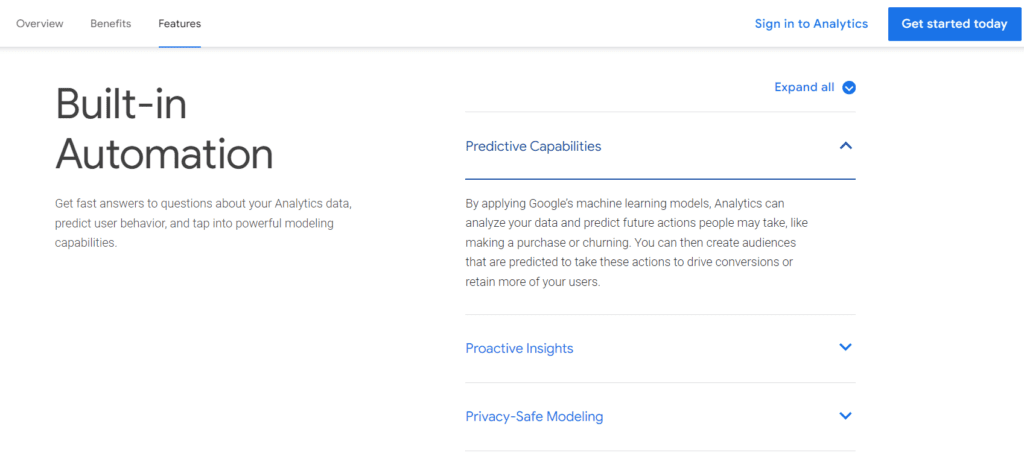
This Google page expertly combines both types of content, being informative with a visible CTA in the corner.
Build transactional content (like product pages) based on user interests and needs. Your informative content can position a product as a viable solution through internal links or a CTA button. Similarly, transactional pages can point to informative pages to build customer trust and answer questions.
Embrace Video
78% of businesses plan on creating more video content in 2024, and it’s easy to see why video content absolutely needs to be a part of your content marketing strategy:
Attention spans are shrinking, even as more consumers embrace ecommerce. This trend naturally places video content as a priority in ecommerce planning. Video content is highly engaging, capturing attention and holding viewers’ interest longer than static text or images.
Videos also allow you to tell your brand’s story in a unique way across mediums like TikTok and Instagram Reels that would otherwise be inaccessible. They can also help with SEO, inviting interested users to engage with your storefront.
Build a Content Strategy for Ecommerce Today
The right strategy gives your business a roadmap to success, turning nebulous goals into achievable milestones. If you need assistance building the perfect content marketing strategy, let a leading digital marketing agency help!
Coalition Technologies has built and executed winning strategies for some of the biggest brands in the world, and we’d be happy to do it for you, too. Contact us today for a free consultation to get started.