
Pouring your heart and soul into crafting the perfect products and building an eye-catching online store just isn’t enough in a competitive ecommerce landscape. Smaller businesses struggle to cut through the noise and reach their target audience when ads from all sides are bombarding buyers. How do you market your online store in such a saturated environment?
By adapting.
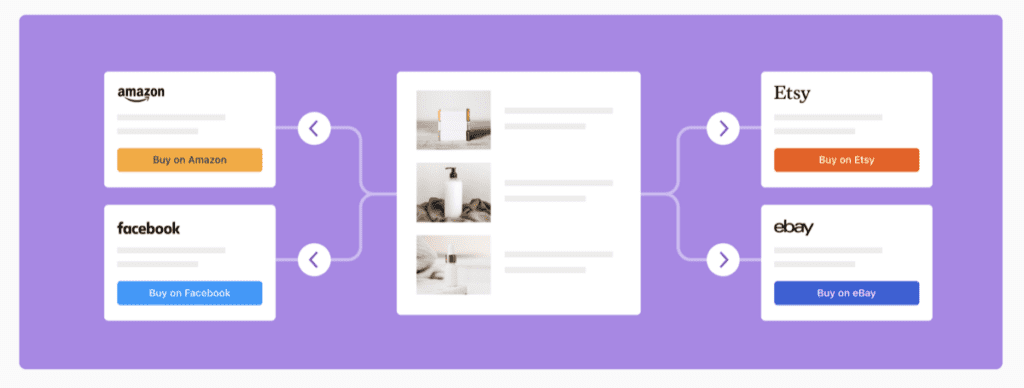
A multi-channel online marketplace strategy offers businesses the perfect way to adapt and expand their reach beyond their existing storefront. With a multi-channel strategy, you can connect with a wider audience, boost your visibility, and increase your sales organically. Find out how with this quick guide.
Table of Contents
What is Multi-Channel Ecommerce?
According to an HBS study, approximately 73% of customers access multiple channels before purchasing. A WooCommerce multi-channel ecommerce strategy is essentially a comprehensive marketing approach that leverages multiple platforms to engage customers. As a business, this means recognizing that customers interact with businesses through multiple touchpoints, along with the value of creating a seamless experience across all of those touchpoints.
- The Objective: The ultimate objective of a multi-channel strategy is to give customers the choice and flexibility to interact with your business according to their preferences. Some buyers might prefer to walk into a physical store to purchase an item, while others might prefer to interact with a traditional online storefront. Similarly, a third group might prefer to order products directly through an Instagram store page.
A multi-channel ecommerce strategy for WooCommerce aims to create a consistent and seamless presence across all these channels, allowing businesses to cater to diverse customer preferences.
A ‘seamless presence’ sounds good, but what does it actually entail? When you’re learning how to market your online store with a multi-channel strategy, here’s what you’ll be focusing on.
- Consistent Messaging: The messaging you use to connect with your target audience should be consistent across various platforms. If a customer clicks on a witty ad only to discover serious, formal messaging on your product page, they might feel misled by your advertising and lose trust.
- Integrated Inventory Management: A multi-channel ecommerce strategy for WooCommerce ensures that product information is consistent across all channels. If your Instagram shop shows a product in stock and your storefront doesn’t, it’ll confuse and push buyers away for good.
- Order Fulfillment: Buyers should have access to flexible delivery and return options for your products, regardless of the channel they’re buying from.
- Customer Data: Successful online marketplace strategies revolve around collecting and transforming multi-channel customer data to understand their behavior and preferences.
Why Multi-Channel is Worth It
With the right multi-channel ecommerce strategy, WooCommerce stores can significantly accelerate their growth and impact far more customers. Let’s take a closer look at the benefits of going multi-channel.
- Expanded Visibility: Your WooCommerce storefront might be a crucial hub for your business, but it certainly isn’t the main place your audience spends their time. Customers discover products through social media feeds, search engines, and third-party marketplaces. A multi-channel approach lets you cast a wide net over those channels and boost your ecommerce visibility.
- Brand Recognition: A large part of learning how to market your online store is figuring out brand recognition. Today, that means maintaining a presence across different platforms rather than dominating a single one. It’s a game of repetition! The more frequently a buyer sees your brand across various platforms, the easier it’ll be for them to remember it.
This consistent presence, built through your WooCommerce multi-channel ecommerce strategy, will directly translate to improved customer trust and credibility. 91% of customers are more likely to buy from brands they recognize. - Increased Sales: More channels, more opportunities to sell. Every platform you add to your strategy opens up a new avenue for customers to discover and engage with your products. Your WooCommerce store will remain the central hub for your store, with social media platforms, marketplaces, and other channels functioning as the spokes.
Diversifying across multiple channels also mitigates the risk of putting your eggs in one basket. If one channel experiences downturns, your other channels can continue to bring in customers and revenue, providing some much-needed stability in the volatile ecommerce space. - Valuable Insights: Harnessing multi-channel ecommerce through WooCommerce is all about making the most of customer data. A multi-channel strategy allows you to aggregate data from various sources and generate a comprehensive picture of your target audience. You can then use this data to build even more effective marketing strategies and develop better products.
The Challenges of Multi-Channel Ecommerce
Segmenting Product Data
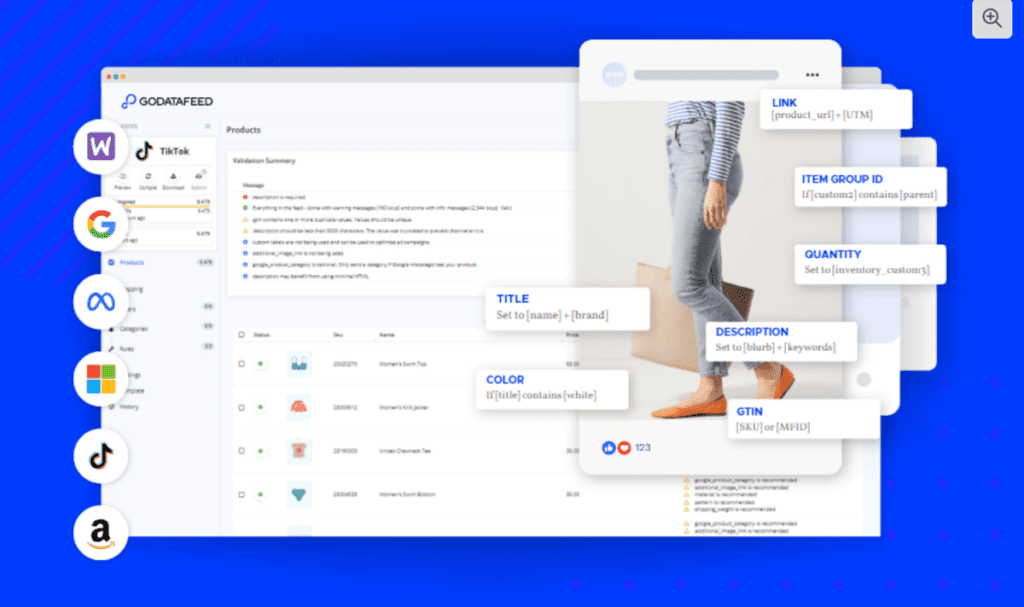
Segmenting product data is so incredibly important for online marketplace strategies and plays a huge role in how you market your online store. Unfortunately, different platforms have unique requirements for product data. A mobile app might require a concise product description, while an online marketplace might need a more detailed description.
Maintaining Inventory
Inventory synchronization across multiple channels is a huge logistical challenge. Successfully leveraging WooCommerce’s multi-channel ecommerce potential means implementing a robust inventory management system that can track stock levels in real time.
Managing Order Fulfillment
Processing and fulfilling orders from multiple channels can become overwhelming if you don’t already have a system in place. Different platforms might have varying shipping requirements, return policies, and customer service protocols that must be adhered to.
Separate Advertising Campaigns with Unified Data
Every platform has its unique demographics and audience formats. For successful branding, the goal is to find a way to maintain consistent messaging while adapting to each platform’s unique quirks. Through all this, brands must be able to track campaign performance across channels and analyze that data to get meaningful insights.
Enter Multi-Channel Ecommerce with WooCommerce
These challenges might sound intimidating, but WooCommerce’s flexibility makes it the perfect conduit for a multi-channel strategy. WooCommerce integrations offer hundreds of ways to connect your store to various channels.
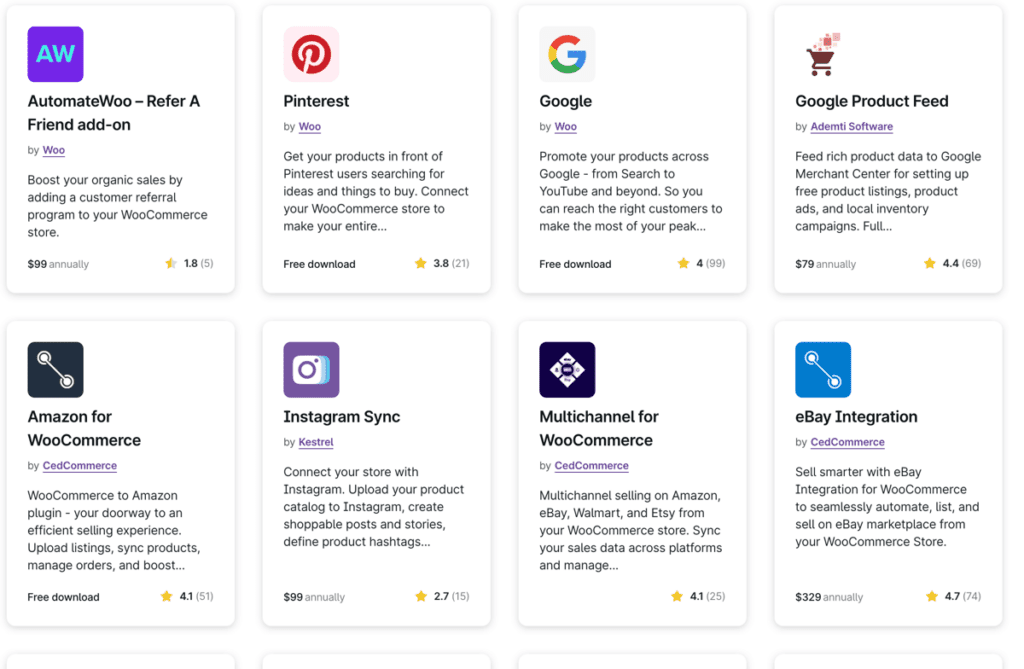
If you’re unsure how to market your online store and haven’t worked with WooCommerce integrations before, you can work with an expert digital marketing agency to install these plugins and use them to their full potential for growth.
- Multichannel for WooCommerce: Multichannel is perfect for brands targeting Amazon, eBay, Walmart, and Etsy. This app makes it easy to sync your store data across these platforms and gives you a unified dashboard to make management easier. You can track orders, modify price levels, and manage multiple accounts all from the same page.
- Geekseller: Geekseller is a more in-depth WooCommerce plugin for multi-channel ecommerce, giving stores access to more platforms like Wayfair and MercadoLibre. Managers can use this plugin to sync inventory levels across their stores, automatically fulfill orders, and update product catalogs.
- PayHelm: If you already have a multi-channel online marketplace strategy in place, PayHelm can help you generate better insights from every channel. This plugin can generate detailed reports analyzing product sales, gateway fees, customer demographics, and behavior, saving you the hassle of manually compiling and standardizing that data.
- ShipStation: ShipStation makes it easy to create a consistent shipping experience for multi-channel ecommerce stores on WooCommerce. This plugin will automatically show you the most cost-efficient and fastest shipping options, instantly update customer tracking information, and generate customs declarations for international orders.
Mastering Multi-Channel
Sorting through the hundreds of multi-channel plugins available to WooCommerce stores is a time-consuming (and often expensive!) task. Skip the trial-and-error of learning how to market your online store and maximize your growth by working with an award-winning ecommerce expert. Coalition Technologies has driven millions in revenue for WooCommerce businesses, and we’d love to work with yours. Contact us for a free consultation today.