

High-quality content is one of the best tools a business has at its disposal for attracting new customers. Unfortunately, even the best-written blogs and long-form guides are ineffective if your content isn’t optimized to rank well on search engines.
The bright side? It doesn’t take much to give your content the edge it needs to boost traffic. With the right approach and following a few simple tips, you can get a leg up on the competition with every new piece of content. Create well-rounded content that always hits the mark with this Coalition Technologies guide, covering topics like:
- Skyscraper Technique
- The Keyword Golden Ratio
- Pain-Agitate-Solution
- AIDA
- The 80/20 Rule (Pareto Principle)
- Bucket Brigades
- Slap Rule
- Content Siloing
- Power Words
- Click Magnetic Titles
- The Breadcrumb Technique
- 10X Content
- Conversion Copywriting
- The Rule of One
- SERP Domination
Table of Contents
- 1 Content Optimization: The Basics
- 2 Top Content Optimization Strategies To Increase Traffic
- 2.1 Skyscraper Technique
- 2.2 Keyword Golden Ratio (KGR)
- 2.3 Pain-Agitate-Solution (PAS)
- 2.4 AIDA
- 2.5 The 80/20 Rule (Pareto Principle)
- 2.6 Bucket Brigades
- 2.7 The SLAP Rule
- 2.8 Content Siloing
- 2.9 Power Words
- 2.10 Click Magnet Titles
- 2.11 Breadcrumb Technique
- 2.12 10X Content
- 2.13 Conversion Copywriting
- 2.14 The Rule of One
- 2.15 SERP Domination
- 3 Find Your Ideal Content Optimization Strategies
Content Optimization: The Basics
The term is more or less self-explanatory. In the realm of SEO and digital marketing, content optimization focuses on constantly refining digital content to improve its performance in search engine results and better serve its target audience. It’s more than just stuffing your blogs and guides with keyword-rich text. Instead, think of it as a continuous process that balances search engine ranking factors with the needs of your audience.
Why Content Optimization Matters
Just over 90% of businesses use content marketing as part of their growth strategy, and it’s easy to see why. Optimizing your content can open up valuable new marketing opportunities and offers many other benefits:
- Higher Search Engine Rankings: Higher visibility is one of the most direct benefits of implementing a content optimization strategy. Optimized content is more easily parsed and valued by search engines, leading to higher rankings for relevant keywords.
- Increased Traffic: This improved visibility leads to higher traffic and conversions. As your content improves its ranking, searchers will be more likely to see and click on it when looking for specific keywords. You can easily leverage this increased traffic to boost conversions with the right digital marketing strategy.
- Improved Engagement: Optimization isn’t just about implementing AIDA for search engine crawlers. Following a content optimization strategy also directly benefits your visitors by creating a more engaging experience that caters to their needs. Implementing the skyscraper technique, for example, results in more high-quality content designed to keep the reader engaged with helpful answers.
- Old Is New: High-quality blogs shouldn’t be something you post and forget about as they become outdated over time. Content optimization allows you to turn that older content into a tool for continuous growth.
You can refresh older content with a few tweaks and start reaping the benefits immediately. The best part? You’ll also save time and resources since you won’t have to start from scratch. - Better Targeting: Implementing a content optimization strategy, such as following the keyword golden ratio or the pain-agitate-solution framework, allows for improved targeting. This matters because in the high-volume SEO world, writing for a specific audience usually generates better results than trying to write for and satisfy everybody.
This also applies to shifting business priorities. With the right strategy, you can reorient content to achieve a different goal. For example, a general introductory blog about a product can be optimized to become a conversion-oriented piece designed to convert visitors into customers.
Top Content Optimization Strategies To Increase Traffic
Skyscraper Technique
This popular strategy focuses on finding a piece of popular content within your niche/industry and creating something significantly more comprehensive. The general idea here is to:
- Find high-ranking content already proven to resonate with your target audience
- Analyze its strengths and weaknesses
- Create something that surpasses it in terms of sheer quality and value for the reader
You’re not looking just to copy over or rewrite an existing blog. Instead, you’re building something taller to leverage a particular topic’s demand and interest. If you succeed, you’ll be able to capture a larger share of the target audience.
Keyword Golden Ratio (KGR)
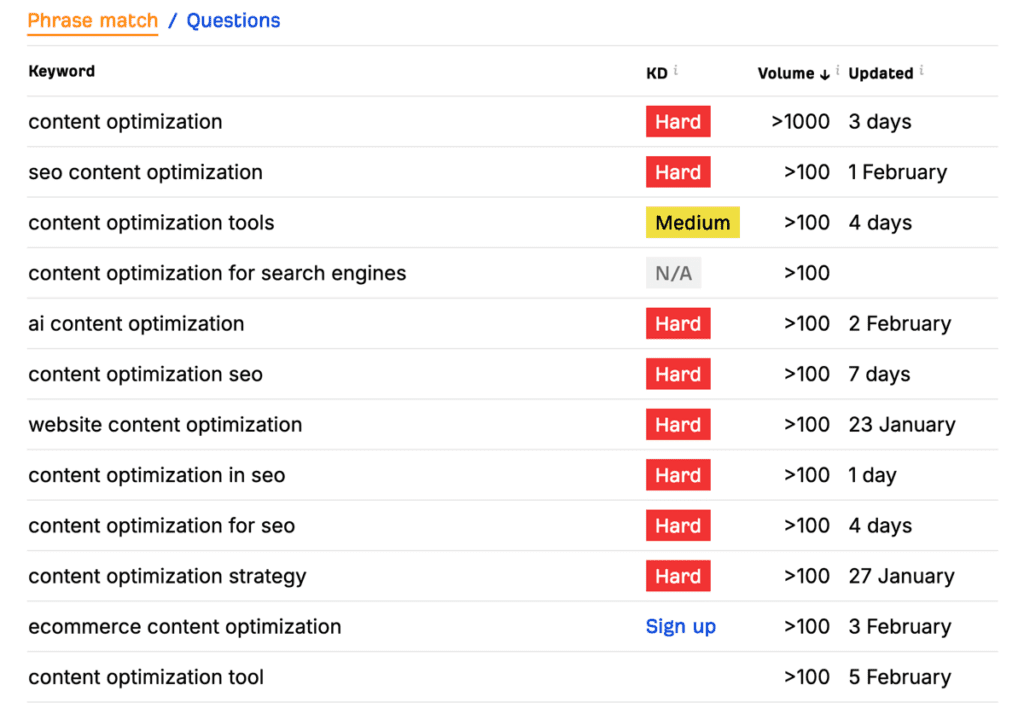
This content optimization strategy revolves around low-competition keywords with a high potential for quickly improving your ranking, especially for newer websites and pages with less domain authority. This data-driven strategy uses a formula to assess the opportunities for a given keyword, allowing you to maximize your results with relatively low effort.
It all starts with Google’s ‘Allintitle’ operator. You can calculate the KGR by dividing a keyword’s ‘Allintitle’ results by its monthly search volume. If it returns a KGR of less than 0.25, that’s ideal. KGRs between 0.25 and 1.0 can still be viable with moderate competition, while a KGR above 1.0 is generally better left alone since these keywords can be more challenging to rank for.
Pain-Agitate-Solution (PAS)
While the skyscraper technique generally targets blogs, the PAS content optimization strategy is ideal for PPC and email marketing. PAS is a persuasive copywriting framework that focuses on identifying a problem, emphasizing the pain it causes, and offering a straightforward solution for your readers. This approach emotionally connects with your audience and presents your product as a genuinely helpful solution to their problems.
- Pay-per-click: For PPC ads, it’s all about brevity. The pain point can be identified in the headline of an ad, with the ‘agitation’ being implicit or hinted at in the description. The solution, naturally, is your product, presented with a clear call to action.
“Stressed Out By Project Deadlines? Try out the XYZ app and reclaim your time!” - Email Marketing: If you’re implementing this content optimization strategy for emails, you have a bit more room to work with. You can create a deeper narrative using images and more descriptive writing to connect with readers.
AIDA
The AIDA copywriting framework outlines a visitor’s stages before purchasing or taking a desired action, such as signing up for a newsletter. Like the skyscraper technique, this strategy provides a structured approach to creating more engaging content that consistently converts.
- Attention: Grab the reader with a question, an interesting statistic, or by addressing a pain point.
- Interest: Build interest by elaborating on your initial introduction, providing context, and showing the reader that you understand their needs.
- Desire: At this stage of the context optimization strategy, you can showcase the product’s benefits. This is where compelling storytelling and testimonials can make a difference.
- Action: Now that you’ve connected with the reader and presented your product as the best possible solution, encourage them to take that final action with a direct call to action. Think ‘Sign Up Now’ or ‘Build Your Future Today’.
The 80/20 Rule (Pareto Principle)
Like the keyword golden ratio, the 80/20 rule offers a data-driven way to enhance your content. The idea is that the top 20% of content or keywords drive approximately 80% of your desired results (from increased website traffic to leads and conversions).
According to this content optimization strategy, you can maximize your results by strategically prioritizing your top-performing content. If you have 100 blog posts and only 20 generate most of your traffic, it could be a good idea to focus on the top 20.
Bucket Brigades
While the skyscraper technique tends towards more lengthy, comprehensive writing, a bucket brigade is all about snappy, magnetic writing that immediately generates interest. Here, you’ll insert short, engaging phrases to encourage the reader to keep reading, improving the overall flow of the writing.
You might have already seen this online, with phrases like ‘Here’s the deal’ or ‘Keep watching.’ Remember, improved engagement indirectly benefits SEO.
The SLAP Rule
This content optimization strategy for PPC and email marketing ensures the audience can Stop, Look, Act, and Purchase–the four conversion funnel stages. This framework focuses on clear, concise messaging to guide readers through the funnel, eliminating potential distractions and making your message as simple as possible.
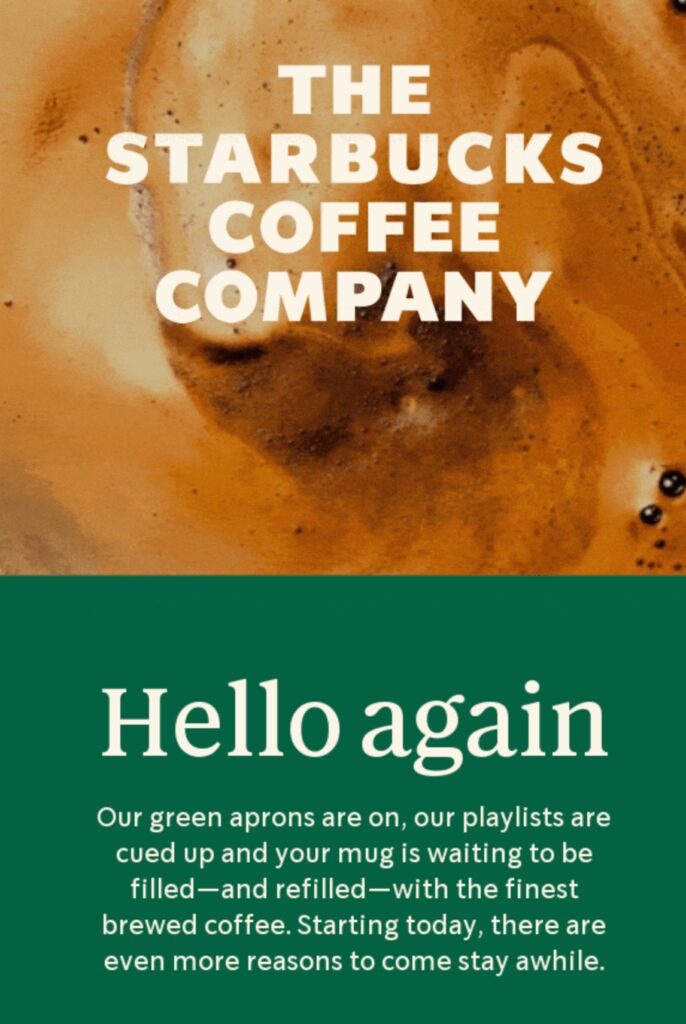
For example, an email following the SLAP strategy might use a catchy subject line to Stop readers, an innovative banner to make them Look, an easily visible CTA box to make them Act, and a straightforward checkout process to help them Purchase.
Content Siloing
Content siloing is an excellent way to build topical depth within specific subject areas on your website. This content optimization strategy involves ‘pillar pages’ that cover a broad range of topics and include links to more detailed pages that cover related subtopics.
Similar to the keyword golden ratio and skyscraper technique, this is a way to demonstrate your website’s expertise and authority in your niche. You’re essentially creating a hierarchical structure that outlines how different pages on your website are connected, making it easier for search engine crawlers and visitors to navigate your website.
Power Words
Certain words are incredibly effective at compelling users to take action. You can see this in YouTube video titles that often include words like ‘Secret’ or search ads that promise ‘instant’ results. By including powerful words in your writing, you can easily make it more engaging and persuasive.
Click Magnet Titles
This content optimization strategy is similar to power words in that the goal is to maximize click-through rates and engagement with punchy writing. Click magnet titles are headlines designed to pique curiosity and compel action. The goal is to make a title so interesting it just can’t be ignored.
How do you do that? Using psychological triggers that play on urgency, exclusivity, and curiosity. Instead of ‘Best Tiramisu Recipes,’ think ‘Top 5 Secret Tiramisu Recipes.’
Breadcrumb Technique
The breadcrumb technique is particularly effective for email marketing, especially when advertising complex offers or nurturing leads. This works because the method guides recipients on a planned, step-by-step journey toward a desired action instead of overwhelming them with information. This content optimization strategy in action could look like this:
- Introductory emails that establish the problem and build rapport.
- Follow-up emails presenting a potential solution and highlighting the product’s benefits.
- Final emails with clear calls to action and discounts to minimize barriers to conversion.
10X Content
Similar to the skyscraper technique, this method seeks to build on existing content. The core idea behind this strategy is to go above and beyond in creating something so good it makes competitor articles look outdated and pointless.
Writing a blog with the 10X strategy means creating a piece with more profound research, insightful analysis, and mixed media like images and videos.
Conversion Copywriting
The keyword golden ratio and conversion copywriting go hand-in-hand. This content optimization strategy focuses explicitly on driving conversions and ROI. Rather than a broad introduction to the topic, you’re creating content that directly positions your product as a solution and gives readers a clear pathway to purchase it.
This means using persuasive language, clear calls to action, and a pointed focus on your product’s benefits. Every sentence should serve the ultimate goal of helping the reader take action. Marketers often use A/B testing for this strategy to see which CTAs and phrases yield the best results.
The Rule of One
Less is more. The Rule of One strategy involves keeping the message focused on one reader, one problem, and one call to action. This content optimization strategy drives results by tailoring posts to specific individuals, carefully understanding their pain points, and guiding them toward a singular step.
SERP Domination
The skyscraper technique and SERP domination are both ambitious optimization strategies. Implementing SERP domination, you’re aiming to occupy multiple top positions on search engine results pages for target keywords instead of just targeting a single high organic ranking and paid ad placement.
This requires coordination between both SEO and PPC techniques. On the SEO side, you might optimize multiple pages to rank for specific keyword phrases. On the PPC side, you could run targeted campaigns for the exact keywords to secure your dominance at the top of the SERP.
Find Your Ideal Content Optimization Strategies
Can’t figure out which strategy works best for your website? Work with an award-winning SEO agency and boost your traffic with a custom plan tailored to your needs. Coalition Technologies uses data-driven techniques to generate results you can count on. Contact us for a free consultation and find out what we can do for your business today.