

Your ecommerce website isn’t just a tool for generating and processing sales. It’s an active extension of your brand, and its quality can be the deciding factor for many potential buyers. Website maintenance for Shopify, BigCommerce, and other ecommerce platforms ensures your website is safe, loads quickly, and provides the ideal experience your buyers are counting on.
Table of Contents
Why Website Management & Maintenance Matters
Website management is a continuous, overarching process that includes components like website security, data backups, link health, performance optimization, and so much more. Let’s dive into the more specific benefits of ecommerce website maintenance:
- Improved User Experience: UX review should be a key part of maintenance. Consistent maintenance means your website loads quickly, remains responsive, and is user-friendly even after adding new integrations or apps. 74% of customers are more likely to return to a website with good UX, so the time you spend on UX reviews is almost always worth it.
- Improved Security: 64% of consumers feel more comfortable purchasing from stores that securely store their data. With the rising threat of online fraud and more sophisticated cyber-attacks, maintaining your ecommerce store’s security has never been more critical.
The ecommerce website maintenance process includes regular security patches, vulnerability scans, and proactive monitoring. This proactive approach makes all the difference in protecting your store from cyberattacks and data breaches. The more secure your ecommerce website is, the more your customers will trust you and return for repeat purchases. - Reduced Downtime: Proactive maintenance has a trickle-down effect on nearly every aspect of your website. In addition to keeping it secure, Shopify website maintenance minimizes potential downtime from technical issues, security breaches, and server failures. Every second of downtime costs you sales and damages your reputation.
- Legal Compliance: Ecommerce website maintenance is essential for stores operating in more regulated industries. Certain universal standards, like the GDPR in the EU, must be complied with if you’re looking to expand internationally. Standards also change constantly, and regular maintenance ensures your website stays compliant.

Key Website Maintenance Elements
Even the most basic Shopify and BigCommerce stores are driven by complex systems, all working together to create the ideal ecommerce experience for your customers. If you’re building website maintenance plans, consider monitoring these elements regularly.
Website Security
The rising threat of malicious infections and other cyber threats also means security patches are released regularly. If you’re looking to shield your website from potential threats, you need to follow best practices for ecommerce website maintenance like:
- Implement regular security updates released by your ecommerce platform, your store theme, and any apps/plugins you might be using. These updates usually include patches for newly discovered vulnerabilities.
- Maintain SSL certificates, which essentially work as an identity card for your website. These certificates ensure encrypted data is transmitted securely between your store’s server and the user’s browser.
- Perform regular vulnerability scans to identify potential weaknesses. This element of Shopify website maintenance includes scans to detect outdated software, misconfigurations, and other potential vulnerabilities that bad actors could exploit.
Data Backups
Backups can be tedious to maintain, but you’ll be glad you have one if things go wrong. A reliable data backup strategy is a core part of ecommerce website maintenance as it protects you from the fallout of hardware failures, cyberattacks, and even accidental deletions.
Thankfully, you can automate most of the tasks in a data backup strategy. Establish an automated backup schedule based on your website’s update frequency and data volume. Many stores opt for daily backups or even higher frequencies to be safe. You should also consider storing backups separately from the primary store server, such as with a cloud-based provider.
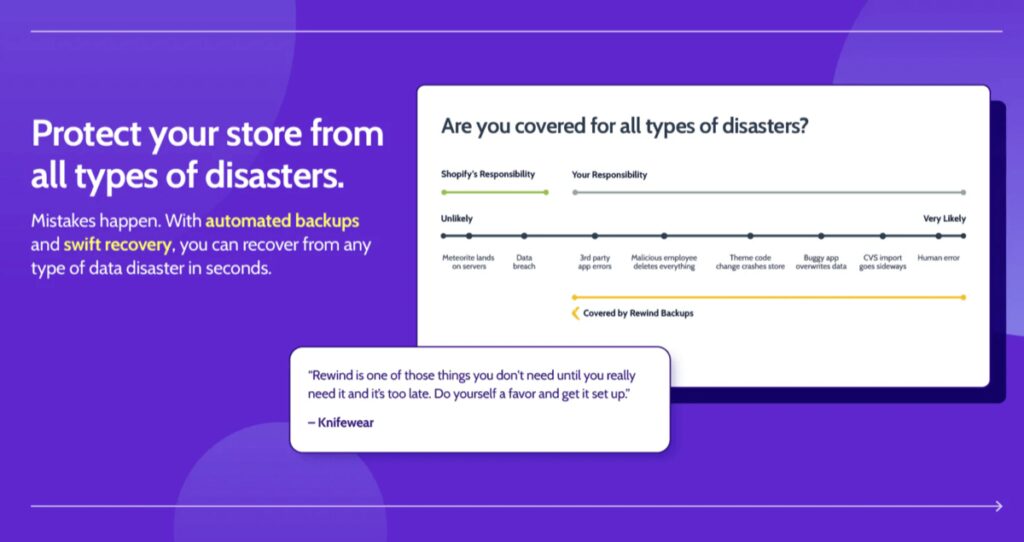
Your regular backup schedule won’t be of much help if your files are corrupted. Regular testing is crucial for verifying the integrity of your backups and ensuring they can be used to recover your website effectively when the time comes.
Page Performance
Optimizing your page speed should be a high priority on your ecommerce website maintenance checklist. After all, a 2-second increase in page load times can increase your bounce rate by at least 32%. Use these tips to stay ahead of the curve when performing Shopify website maintenance:
- Image Optimization: Compressing image file sizes without compromising quality can significantly reduce page load times. Use appropriate image formats like WebP, JPEG, and PNGs for transparent graphics. You can also use a content delivery network for more efficient image delivery. Shopify already provides this service through Cloudflare.
- Performance Monitoring: You might find your page load times have increased even if you haven’t made any significant changes to your store, usually due to a buggy patch. A reliable ecommerce website maintenance plan that includes performance testing can help you catch these irregularities and ensure your store runs perfectly even under heavier traffic loads.
Expert Ecommerce Tip
Keeping track of all these moving variables can understandably seem daunting if you’re working with a smaller in-house team. That’s why many fast-growing ecommerce businesses work with expert web development agencies to optimize their stores. A top-rated web development agency, like Coalition Technologies, can create a custom website maintenance plan designed around your needs and give you the freedom to focus on growing your business.
Content Updation
Keeping outdated content on your store page can severely dampen customer trust. Ideally, your ecommerce website maintenance checklist should include a content audit. These audits will help you identify outdated content and replace it with more helpful, SEO-friendly content that allows your store to rank better while engaging visitors.
Price Changes
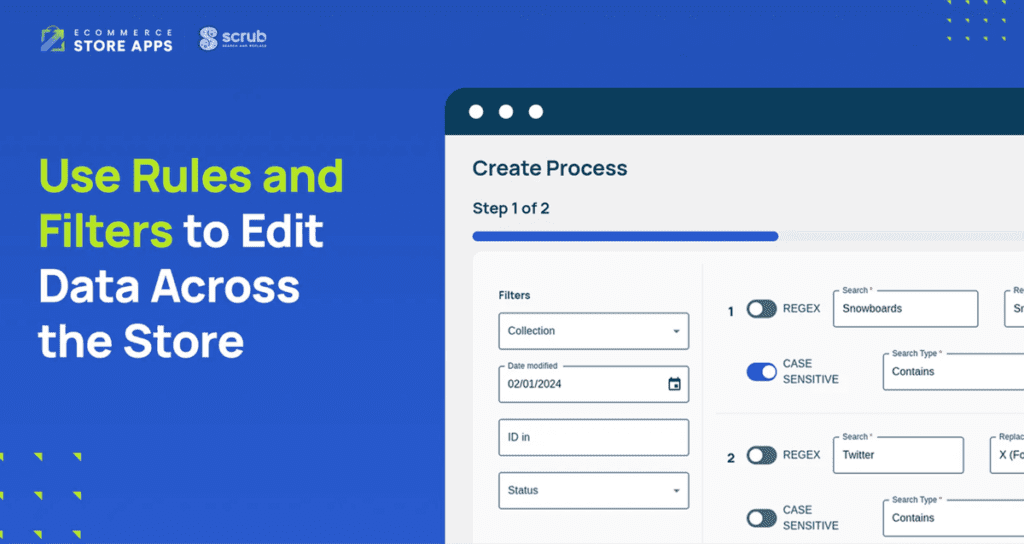
Reviewing marketing metrics is a core part of any Shopify website maintenance plan. Ecommerce is a highly dynamic pricing environment, and you need to know where your store stands in relation to your top competitors. Regularly reviewing market pricing trends can help you make timely corrections and maintain profitability. If your store hosts many product variants, you can use apps like Scrub to make bulk edits quickly.
This element of ecommerce website maintenance also includes promotions. Following a set maintenance plan will help you launch and conclude promotions according to a precise schedule. You can also set up an automated system to schedule and announce these to customers.
What Happens If You Don’t Maintain Your Store?
Neglecting your ecommerce store can impact virtually every aspect of your website, hindering your growth and damaging your reputation. This includes:
- Reduced Traffic: If your content is outdated and your pages load slowly, your store won’t rank well for the right keywords, and you’ll see a steady decrease in traffic over time.
- Data Breaches: Not following an ecommerce website maintenance plan opens a Pandora’s Box of potential threats. Your website becomes more vulnerable to cyberattacks, legal penalties, and a severely damaged reputation.
- Revenue Loss: The amount of maintenance you perform and your downtime are inversely proportional. If your website stays offline for more extended periods, you’ll naturally see reduced sales and more expensive fixes.
- Customer Trust: Customer trust is an intangible but invaluable resource that takes months, if not years, to get back. If you’re not following a dedicated Shopify website maintenance plan, your customers will be unwilling to return to your website after a frustrating experience.
Get a Customized Ecommerce Website Maintenance Plan
Website management and maintenance are incredibly time-consuming if you’re on a budget. A leading web design and digital marketing agency like Coalition Technologies can help you build the ecommerce experience your brand deserves at a budget you can afford. Get a customized website maintenance plan and beat the competition with data-driven strategies. Contact us today for a free consultation to get started.
Frequently Asked Questions
Why is ongoing website management important even after I’ve launched my store?
An ecommerce store that performs well on day 1 won’t necessarily stay that way in the long term. Apps and themes need to be maintained, security threats need to be monitored, and your content needs to stay fresh if you’re looking to grow your store. That’s why ongoing ecommerce website maintenance is so important.
What does website maintenance and management involve?
Website maintenance covers a variety of different tasks, including:
- Fixing broken links
- Optimizing page performance
- Updating your store’s apps and themes with the latest patches
- Performing regular data backups
- UX review
No two stores will have the same Shopify website maintenance plan. Ideally, this process should be tweaked to suit your website infrastructure and business goals.
Can I handle maintenance for my store’s website myself?
You can, but ecommerce website maintenance requires certain technical skills and a lot of time. Business owners usually struggle to juggle website maintenance with other business tasks and opt to work with professional agencies instead.