The way customers find your website and connect with your online presence is changing every day. Google’s current structured data test is the latest change to this evolving digital landscape. Does the structured vs. unstructured data debate matter? How will speakable schema now impact content discoverability and Google AI overviews? Find out with this quick Coalition Technologies guide.
Table of Contents
What is Speakable Structured Data?
Before we look into how tools like Google Gemini affect SEO through speakable structured data, you’ll need to understand what structured data is
Structured data–or schema markup–is a crucial SEO component that helps search engines understand the content and context of different web pages. When we add structured data (wrapping additional html code around our page content), we’re following a standardized format developed by schema.org to annotate web pages. Unstructured data, on the other hand, is generally qualitative and doesn’t follow a predefined format. This includes images and social media interactions.
Google’s speakable structured data test is an exciting evolution to this component, potentially revolutionizing how we approach SEO for AI-based search engines. The ‘speakable’ property allows developers to mark web page sections suitable for text-to-speech-based audio playback.
How Does Speakable Structured Data Work?
By adding speakable markup, you’re showing AI-powered assistants and search engines what to focus on. If you know how AI chatbots work, you can probably already see why this new development could change how we look at SEO. The contrast in structured vs. unstructured data has never been more critical.
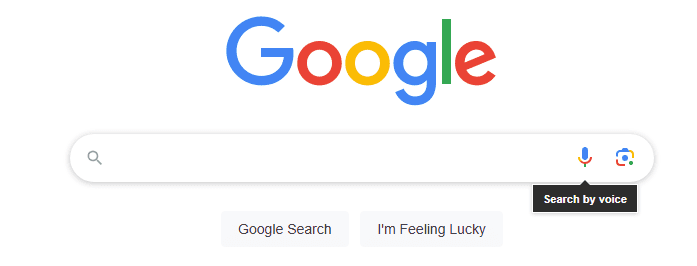
When a user performs a voice search, Google’s algorithms look for web pages that contain relevant information. If your page includes text marked with speakable structured data and its content aligns with the user’s query, Google can use the marked-up sections to create a TTS response. The assistant will read the designated text aloud, effectively delivering your content directly to the user via voice search.
If you’re using Google Assistant, the searcher will receive a link to your website on their phone.
Guaranteed Results?
It’s important to note that speakable schema isn’t a magic bullet for content discoverability. If the content is more relevant to user queries, Google can and will feature other sections of your page instead.
Speakable Structured Data Test: The Benefits
The SEO benefits of implementing structured data have been a subject of intense debate for a while now. Only 72% of pages on the first page of Google use structured data. On the other hand, Google has stated that implementing speakable data could help websites reach a wider group of searchers. Let’s take a closer look at the benefits of implementing this schema:
- Enhanced Authority: Being selected as a trusted source of information by AI-powered tools like Google Assistant can go a long way in strengthening your brand’s credibility. If searchers see you as an expert in your field, they’ll likely return and engage more deeply with your website.
This applies to the structured vs. unstructured data debate as well. The benefits of implementing structured data may be ambiguous, but it can increase your chances of being featured in rich snippets as an authoritative voice. - Improved Visibility: Taking advantage of the speakable structured data test can significantly boost your chances of being featured as a TTS answer to user queries. Since users are provided a direct URL to your content, this can be an excellent way to drive organic traffic to your website.
- Future-Proof SEO: Over 45% of Americans use voice search to look for information online. On the AI front, tools like Copilot and Google Gemini are already impacting SEO strategies worldwide.
Implementing speakable structured data is a great way to future-proof your website and prepare for a dynamic digital landscape. Features like rich snippets and Google AI overviews have already shown us the benefits of being ready for change. Websites implementing the speakable structured data test will already be reaping the benefits.
Before You Begin: Eligibility
Knowing the differences between structured vs. unstructured data is a good start, but you’ll need to ensure your content is eligible for the test before you begin. For starters, the speakable schema property is currently only functional for searchers in the US who are making queries in English. As more websites join the speakable structured data test, Google plans to expand support to other regions and languages.
Next, you’ll have to ensure your content follows specific Google guidelines before improving your content’s discoverability.
- Content Guidelines: If you’re familiar with how AI chatbots work, you already know it’s all about quality > quantity. Google’s guidelines clarify that simply adding the schema property won’t make your content more visible by default. The content on your website should be accurate, understandable, and valuable to the searcher.
Additionally, the content marked by your speakable structured data should feature concise and accurate headlines. Google recommends keeping 20-30 seconds of content in every section marked by the speakable schema property. That’s around 2-3 sentences. - Technical Guidelines: The speakable structured data (Beta) documentation outlines clear technical guidelines to follow when marking content for Google Assistant. For instance, you shouldn’t add speakable structured data to content that doesn’t fit voice-forward situations, such as photo captions or datelines.
Additionally, you should avoid marking large sections (or an entire article) with speakable schema. Focus on the highlights that would be most useful to searchers.
Along with these guidelines, you’ll have to follow the established format for schema markup, available at Schema.org’s Speakable data page. Suppose you’re unfamiliar with AI, search engines, or structured vs. unstructured data. In that case, we recommend working with a reliable web developer to implement structured data and get those benefits even faster.
Optimizing Content For Speakable Structured Data
You’ll need to understand how your customers think and search to optimize your website for voice search and improve your content’s discoverability. Start by thinking about common questions a customer might have about your product, and then identify key content sections that answer those questions as clearly and concisely as possible. This is similar to how you’d optimize for Google AI overviews.
Remember, this content will (ideally) be read out loud by a TTS-based tool. Avoid using jargon and overly complicated sentence structures. Instead, write in a more natural, conversational style that mirrors our typical everyday speech.
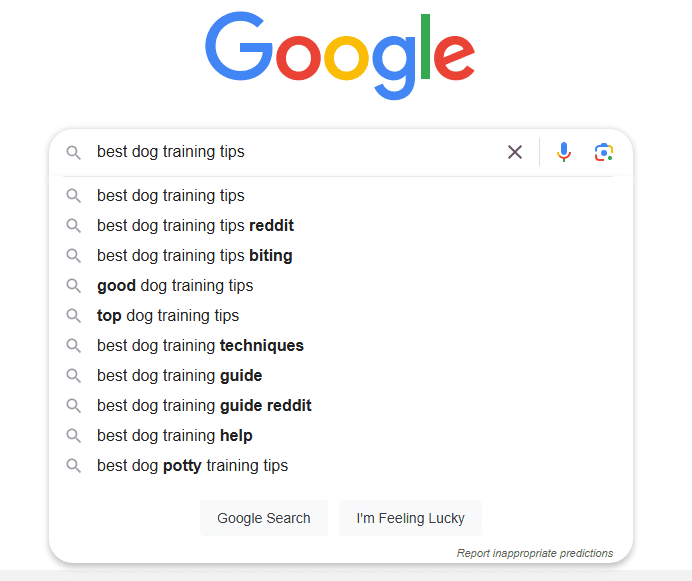
Keyword research should be the foundation of your SEO efforts for a speakable structured data test. Voice queries tend to be more specific than your standard text-based Google search. Accordingly, consider incorporating long-tail keywords in your content. Instead of “dog training,” think, “best dog training tips for beginners.”
Are You Mobile-Ready?
Let’s step away from the structured vs. unstructured data topic and consider your website briefly. Once you’ve optimized your content and implemented speakable structured data, you must ensure your website can engage and retain its new audience.
Mobile optimization is crucial, considering mobile searches make up 63% of all searches today. Your pages should load quickly and be easy to navigate for searchers on different devices. It’s worth consulting an SEO specialist to find out what you can do to improve your mobile optimization.
Be Future-Proof
Implementing speakable structured data on some highlighted sections of content on your webpages as early as possible can give your website a considerable advantage and help you stand out. Whether you’re adding structured data or looking out for the next big SEO trend, it pays to work with a digital marketing agency at the forefront of innovation. Contact Coalition Technologies today to discover innovative strategies to catapult your website to the front page.